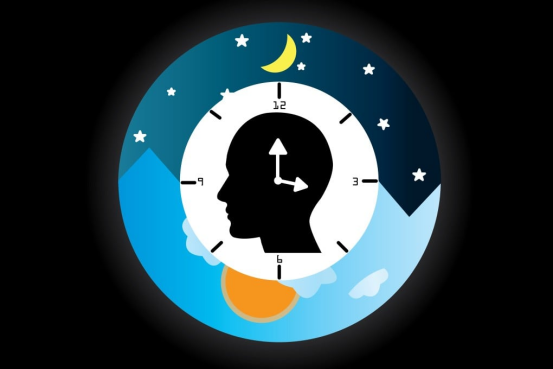

Synchronizing Circadian Rhythms for Metabolic Efficiency
The human body operates on an internal clock known as the circadian rhythm, a 24-hour cycle that dictates hormonal secretion, sleep-wake patterns, and metabolic rate. When this rhythm is misaligned—often due to irregular eating habits or light exposure—the body’s ability to oxidize fat and regulate glucose is severely compromised.
The Role of Chrono-Nutrition
Chrono-nutrition focuses on the timing of nutrient intake relative to these internal clocks. Research indicates that the metabolic response to food is significantly more efficient during daylight hours.
- Insulin Sensitivity: Insulin sensitivity is naturally higher in the morning, making it the optimal time for larger nutrient intake.
- Nocturnal Metabolic Suppression: Late-night eating interferes with the body’s natural nocturnal repair and fat-burning processes, often leading to visceral fat accumulation.

The Gut-Microbiota-Brain Axis and Appetite Regulation
The gut is often referred to as the “second brain” due to its complex network of neurons and its profound influence on systemic health. The microbiota-brain axis serves as a communication highway, regulating appetite, energy expenditure, and even mood through neurotransmitter production.
Microbial Influence on Metabolic Signaling
Specific strains of gut bacteria produce short-chain fatty acids (SCFAs), which act as signaling molecules that enhance satiety and reduce inflammation. An imbalanced microbiome, or dysbiosis, can trigger chronic low-grade inflammation, leading to metabolic syndrome.
| Factor | Impact on Metabolism |
|---|---|
| High Microbial Diversity | Improved glucose tolerance and satiety signaling. |
| Dysbiosis | Increased systemic inflammation and insulin resistance. |

Strategic Metabolic Reprogramming
Metabolic reprogramming is not merely about caloric restriction; it is about shifting the body’s internal environment to favor fat metabolism over storage. This process involves multi-target regulation, where lifestyle interventions target cellular energy sensors like AMPK and SIRT1.
The Multi-Target Approach
By simultaneously addressing mitochondrial function and hormonal balance, individuals can achieve long-term weight maintenance. This involves:
- AMPK Activation: Engaging in periodic fasting or exercise to activate the “master switch” of metabolism.
- Hormonal Reset: Reducing cortisol levels through stress management to prevent stress-induced adipose tissue storage.

Debunking Myths: Liver Detoxification and Weight Loss
There is a pervasive belief that “liver cleanses” or extreme detoxification protocols are necessary for weight loss. Scientifically, the liver is a self-cleaning organ that maintains homeostasis through complex enzymatic pathways. While supporting liver health is crucial, it does not require restrictive juice fasts.
Evidence-Based Liver Support
Instead of temporary detoxes, sustainable liver support focuses on reducing the metabolic load. This includes minimizing processed fructose intake and avoiding excessive alcohol, both of which contribute to non-alcoholic fatty liver disease (NAFLD). A healthy liver is the cornerstone of efficient lipid metabolism.
Frequently Asked Questions (FAQ)
- Q1: How does light exposure affect my weight loss efforts?
- Exposure to natural light early in the morning helps reset the suprachiasmatic nucleus (SCN), the body’s master clock. This alignment optimizes the release of cortisol and melatonin, which are critical for metabolic regulation throughout the day.
- Q2: Can probiotics actually help with weight loss?
- Yes, by fostering a healthy microbial environment, specific probiotics can improve the gut-brain axis communication, leading to better appetite control and reduced systemic inflammation, which supports sustainable weight management.
- Q3: Is intermittent fasting a form of metabolic reprogramming?
- Intermittent fasting acts as a metabolic stressor that upregulates AMPK, an enzyme that signals the body to burn stored fat for energy while stimulating cellular repair mechanisms, effectively “reprogramming” your fuel preference.
- Q4: Why are liver detoxes considered ineffective for weight loss?
- Weight loss achieved during “detox” programs is usually water weight and muscle glycogen depletion, not fat loss. The liver is naturally efficient at detoxification; therefore, focusing on nutrient-dense dietary habits is more effective for long-term health than temporary cleanses.
Safety note: This article is for general information only. It is not medical, training, emergency, survival, or professional safety advice. Conditions, equipment needs, and personal health factors vary, so check current local guidance and consult qualified professionals before acting.


