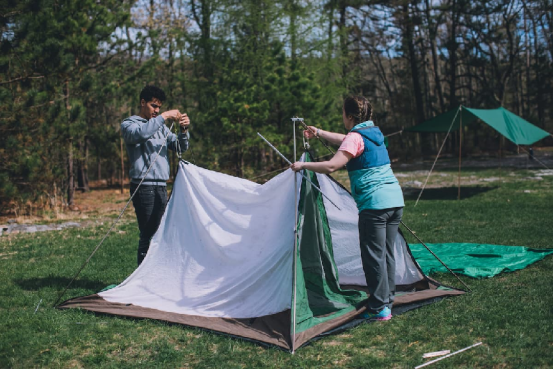

Embarking on a camping adventure offers a unique opportunity to connect with nature, but a successful trip hinges on mastering a few fundamental skills. The core pillars of any great outdoor experience are reliable shelter, a safely managed fire, and a commitment to cleanliness and environmental responsibility. This comprehensive guide will walk you through the essential procedures for setting up your camp, managing a fire, and maintaining hygiene, ensuring your time in the wild is both enjoyable and sustainable. By focusing on these key areas, you can confidently handle various conditions and leave your campsite better than you found it, embodying the spirit of a true outdoorsperson.
Mastering Your Shelter: A Step-by-Step Guide to Pitching a Tent
Your tent is your home in the wilderness, and knowing how to set it up quickly and correctly is a critical skill. A well-pitched tent provides protection from the elements, a comfortable place to rest, and peace of mind. The process begins long before you start assembling poles; it starts with choosing the right location.
Selecting the Perfect Campsite Location
The spot you choose to pitch your tent can significantly impact your comfort and safety. Before unpacking, scout the area for the ideal location based on several factors. Look for level ground to ensure a comfortable night’s sleep and prevent you from sliding downhill. Clear the area of any sharp objects like rocks, twigs, or pinecones that could damage the tent floor. It’s also crucial to look up and check for “widowmakers”—dead branches or trees that could fall in high winds. Avoid setting up in low-lying areas or dry riverbeds, as these can quickly flood during a rainstorm. Consider the natural elements: positioning your tent’s door away from the prevailing wind can reduce drafts, while placing it near natural tree cover can provide shade from the morning sun.
Pre-Pitch Preparation: The Key to a Smooth Setup
Before you begin, lay out a footprint or groundsheet. This protective layer goes under your tent, shielding the floor from abrasions, moisture, and dirt, thereby extending its lifespan. Unpack your tent and do a quick inventory to ensure all components are present: the tent body, the rainfly, poles, and stakes. Familiarizing yourself with these parts, especially if it’s a new tent, is best done with a practice run in your backyard before your trip. This preparation minimizes stress and confusion when you arrive at the campsite, especially if you’re racing against fading daylight or bad weather.
The Anatomy of a Pitch: From Groundsheet to Guylines
With your spot selected and components ready, the pitching process can begin. Follow these steps for a secure and stable shelter:
- Assemble the Poles: Connect the sections of your shock-corded tent poles. Many modern tents have color-coded poles and clips to simplify this process.
- Attach the Tent Body: Lay the tent body flat on the groundsheet. Insert the pole tips into the corresponding grommets or sleeves at the corners of the tent. This will raise the structure. Attach the clips on the tent body to the poles to give it shape and tension.
- Stake Out the Tent: Pull the corners of the tent taut and drive the stakes into the ground at a 45-degree angle, with the tip pointing towards the tent. This provides the most secure hold.
- Attach the Rainfly: Drape the rainfly over the tent body, ensuring the door zippers align. Secure the rainfly to the corners of the tent, often with buckles or clips. Pull the rainfly’s vestibule area taut and stake it out.
- Secure the Guylines: For added stability, especially in windy conditions, stake out the guylines. These are the cords attached to the rainfly. Adjust their tension so the rainfly is taut and not touching the inner tent body, which is crucial for ventilation and preventing condensation buildup.

The Art of the Campfire: Safety, Construction, and Management
A campfire is often the heart of a campsite, providing warmth, light, and a place for cooking and camaraderie. However, it also carries a significant responsibility. Understanding and practicing fire safety is non-negotiable to prevent personal injury and devastating wildfires. Responsible fire management ensures you can enjoy its benefits without harming the environment.
Foundational Safety: Choosing and Preparing Your Fire Site
The first rule of campfire safety is location. Always use an existing fire ring whenever possible. If you must create a new one, select a site on bare soil, sand, or gravel, at least 15 feet away from your tent, gear, and any flammable vegetation like overhanging branches or dry grass. Clear a 10-foot diameter circle around your chosen spot down to the bare dirt to create a safe firebreak. If the ground is not already bare, you can dig a small pit and ring it with rocks to contain the fire and its embers.
Fueling the Flame: The Three Tiers of Firewood
A successful fire requires three different types of fuel, gathered and arranged correctly. Never cut live branches from trees; use only dead and downed wood.
- Tinder: This is the finest material that catches a spark easily. Examples include dry grass, cattail fluff, birch bark, or cotton balls soaked in petroleum jelly.
- Kindling: These are small twigs and sticks, typically no thicker than a pencil. Kindling is used to sustain the flame from the tinder and build enough heat to ignite larger fuel.
- Fuelwood: This consists of larger pieces of wood, from wrist-thick branches to larger logs, that will sustain the fire over a long period.
Building and Igniting Your Fire: Classic Techniques
There are several effective ways to structure your wood for a fire. Two of the most common are the teepee and the log cabin. The teepee method involves placing a bundle of tinder in the center and leaning kindling around it in a cone shape, which is excellent for a quick, hot flame. The log cabin method involves placing two larger pieces of fuelwood parallel to each other, then stacking two more on top, perpendicular, to form a square. Tinder and kindling are placed inside this “cabin.” This structure provides good airflow and burns for a longer time. Once built, light the tinder from the upwind side to help the flame spread.
Responsible Fire Management and Extinguishing Procedures
A fire should never be left unattended, even for a moment. Always keep a bucket of water and a shovel or pile of sand nearby to control the flames if they start to spread. Keep the fire small and manageable. When it’s time to put it out, follow the “douse, stir, feel” method. First, pour plenty of water over the entire fire, including the embers and rocks. Stir the ashes with a stick or shovel to ensure all burning material is exposed. Douse it again. Finally, carefully feel the area with the back of your hand to ensure it is cool to the touch. If it’s too hot to touch, it’s too hot to leave.

Campsite Hygiene: Maintaining a Clean and Responsible Environment
Maintaining good hygiene at your campsite is essential for your health, the protection of wildlife, and the preservation of the natural environment for future visitors. This principle, often summarized as “Leave No Trace,” involves managing waste, washing properly, and storing food securely.
The “Pack It In, Pack It Out” Philosophy: Waste Management
This is the golden rule of camping hygiene. Absolutely everything you bring into the wilderness, you must bring out. This includes all food wrappers, leftover food scraps, and any other trash. Never burn food waste or packaging in your campfire, as this rarely incinerates it completely and can release harmful chemicals and attract animals. Plan ahead by bringing durable trash bags, and consider double-bagging to prevent leaks and contain odors. A clean campsite is a safe campsite, as it is less likely to attract unwanted wildlife visitors.
Human Waste Disposal: The Principles of Catholes
Properly disposing of human waste is crucial for preventing the contamination of water sources and the spread of disease. The standard method is to dig a cathole. A cathole should be dug at least 200 feet (about 70 adult steps) away from any water source, trail, or campsite. It needs to be 6-8 inches deep and 4-6 inches in diameter. After use, backfill the hole with the original dirt and disguise it with natural materials like leaves or pine needles. Used toilet paper should either be packed out in a separate, sealed bag or, if local regulations permit, buried deep within the cathole. In sensitive or high-traffic areas, you may be required to use portable toilet systems or “wag bags” to pack out human waste.
Clean Camp Kitchen: Washing Dishes in the Wild
Washing dishes requires a specific technique to protect water sources. First, scrape all food particles from your plates and cookware into your trash bag. Then, carry water 200 feet away from any lake, river, or stream to do your washing. Use a small amount of biodegradable soap and minimal water. Once finished, you need to dispose of the “greywater.” Strain it through a mesh screen or bandana to catch any remaining food particles (which go in your trash), and then widely scatter the strained water. This allows it to filter through the soil and biodegrade naturally without polluting a water source.

Advanced Campsite Protocols: Food Storage and Wildlife Prevention
Beyond basic hygiene, protecting your food supply is paramount for both your own sustenance and the well-being of local wildlife. Animals that become accustomed to human food can become aggressive and dependent, a situation that is dangerous for both them and campers. Proper food storage is a non-negotiable aspect of responsible camping.
Protecting Your Provisions from Animals
Your goal is to make your food and any scented items completely inaccessible to animals, especially bears and rodents. The most effective methods vary by region and its wildlife population.
- Bear Canisters: In many national parks and bear-heavy areas, these hard-sided, animal-proof containers are mandatory. They are the most secure way to store food and scented items like toothpaste and deodorant.
- Bear Bags: This technique involves placing all food and scented items in a durable bag and hanging it from a tree branch. The bag must be at least 10-12 feet off the ground and 4-6 feet away from the tree trunk and any other branches.
- Secure Vehicles: In some areas, storing food in a locked car is an acceptable alternative, but be sure to check local regulations as bears in some locations have learned how to break into vehicles.
Your “bearmuda triangle” should consist of your cooking area, sleeping area, and food storage area, each located at least 100 yards from the others to minimize the chance of a nighttime encounter.
Minimizing Your Scent Profile at Camp
Animals are drawn by smell, so reducing the odors at your campsite is a key preventative measure. Cook and eat away from your tent. Clean up any spills immediately. Avoid bringing highly fragrant foods if possible. Store all trash, toiletries, and food items together in your chosen secure storage system. Do not sleep in the same clothes you cooked in, as food smells can linger on the fabric and attract curious animals to your tent while you sleep.

Frequently Asked Questions (FAQ)
- Q1: What is the biggest mistake beginners make when pitching a tent?
- The most common mistake is poor site selection. Many beginners pitch their tent on a slight incline, leading to a night of sliding, or in a depression that collects water during rain. Another frequent error is not staking out the guylines, which makes the tent unstable in wind and allows the rainfly to touch the inner tent, causing condensation and leaks.
- Q2: Can I build a campfire anywhere?
- No, you cannot. Many areas have strict regulations, including seasonal fire bans, especially during dry conditions. Always check with the local land management agency (e.g., National Park Service, Forest Service) for current fire restrictions. When permitted, you should always use an existing fire ring to minimize impact. Building a fire is a privilege, not a right, and safety must always come first.
- Q3: How do I properly dispose of cooking grease?
- Never pour cooking grease on the ground or in the water. It can harm the soil and attract animals. The best method is to let the grease cool and solidify in your pan. Then, scrape the solid grease into a sealable container or your trash bag to pack it out. You can use a paper towel to wipe the remaining residue from the pan before washing.
- Q4: Is it okay to use regular soap in the wilderness?
- No, you should always use biodegradable soap specifically designed for camping. Regular soaps and detergents contain phosphates and other chemicals that can contaminate water sources and harm aquatic life. Even when using biodegradable soap, you must always wash yourself and your dishes at least 200 feet away from any lake, river, or stream to allow the soil to act as a natural filter.
Safety note: This article is for general information only. It is not medical, training, emergency, survival, or professional safety advice. Conditions, equipment needs, and personal health factors vary, so check current local guidance and consult qualified professionals before acting.


