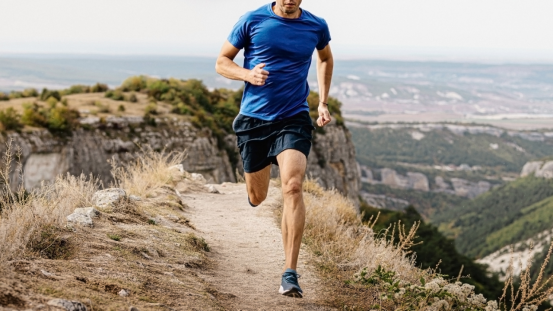

The Foundation of Wilderness Survival: Physical Preparation and Endurance
Embarking on a wild camping expedition requires more than just gathering the right gear; it demands a physical vessel capable of withstanding the unpredictable rigors of nature. The wilderness is an unforgiving environment where uneven terrain, steep inclines, and the continuous burden of a heavy backpack can quickly deplete an unprepared adventurer’s energy reserves. Comprehensive physical preparation is the cornerstone of a successful trip, significantly reducing the risk of musculoskeletal injuries, severe fatigue, and altitude sickness. By systematically conditioning your cardiovascular system and muscular endurance weeks or even months before your departure, you transform potential physical suffering into an empowering outdoor experience.
Cardiovascular Conditioning and Stamina Building
Cardiovascular endurance dictates how efficiently your heart and lungs deliver oxygen to working muscles during prolonged exertion. In the context of wild camping, this translates directly to your ability to hike for hours without experiencing debilitating breathlessness. A structured aerobic training program is essential for expanding your VO2 max and lowering your resting heart rate.
- Progressive Rucking: Begin by walking with a lightly loaded backpack (10-15 lbs) on varied terrain. Gradually increase the weight by 5 lbs each week until you surpass your target pack weight. This simulates the exact biomechanical stress you will experience on the trail.
- High-Intensity Interval Training (HIIT): Incorporate short, intense bursts of cardiovascular exercise (such as hill sprints or stair climbing) followed by brief recovery periods. This trains your body to recover rapidly from steep, strenuous ascents.
- Sustained Aerobic Base Training: Engage in long, steady-state cardio sessions, such as cycling, swimming, or long-distance jogging, for at least 60 to 90 minutes. This builds the slow-twitch muscle fibers crucial for all-day endurance.
By mimicking the specific demands of trail hiking through these targeted exercises, your cardiovascular system adapts, ensuring that the physical exertion of reaching your campsite does not overshadow the joy of the journey itself.

Targeted Strength Training for Carrying Heavy Gear
While cardiovascular fitness allows you to go the distance, muscular strength is what enables you to carry the necessary survival equipment. A standard multi-day backpack can weigh anywhere from 30 to 50 pounds. Navigating over rocks, fallen logs, and slippery mud with this additional mass shifts your center of gravity and places immense strain on your core, lower back, and lower body joints. A targeted strength training regimen is non-negotiable for injury prevention and load-bearing efficiency.
Core Stability and Lower Back Resilience
Your core acts as the central pillar connecting your upper body’s load to your lower body’s engine. A weak core results in poor posture, leading to severe lower back pain—a primary reason many campers are forced to abandon their trips. Exercises must move beyond simple crunches to encompass functional stability.
- Weighted Planks and Variations: Standard planks build static endurance, but incorporating weighted vests or performing side planks engages the obliques, which are vital for lateral stability when slipping or stepping off-balance.
- Farmer’s Walks: Carrying heavy dumbbells in each hand over a set distance mimics the grip strength and upright core stability required to haul water jugs or heavy gear around the campsite.
Lower Body Power and Joint Fortification
The quadriceps, hamstrings, glutes, and calves act as your primary shock absorbers and propulsive engines. Strengthening these muscle groups protects the delicate ligaments in your knees and ankles from the repetitive impact of downhill descents.
Incorporate compound movements such as barbell squats, walking lunges, and Romanian deadlifts into your routine at least twice a week. Step-ups onto a plyometric box, specifically while wearing a weighted vest, perfectly replicate the motion of climbing over boulders or ascending steep natural staircases. Furthermore, do not neglect ankle mobility and calf strength; performing eccentric calf raises can drastically reduce the likelihood of Achilles tendonitis and ankle sprains on uneven ground.

Sourcing and Assessing Water in the Wild
Water is the most critical consumable resource in any survival or camping scenario. Dehydration can lead to impaired cognitive function, muscle cramping, heat exhaustion, and ultimately, life-threatening conditions. However, consuming untreated natural water carries profound risks of gastrointestinal infections from microscopic pathogens. The first step in water management is not filtration, but intelligent sourcing and assessment of natural water bodies.
Identifying High-Quality Natural Sources
Not all water sources are created equal. The visual clarity of water is a deceptive indicator of its safety; crystal-clear mountain streams can harbor dangerous microorganisms deposited by wildlife upstream. When selecting a water source, prioritize flowing water over stagnant pools. Fast-moving rivers and streams are continuously oxygenated and less likely to host massive bacterial blooms or mosquito larvae compared to still ponds or muddy puddles.
Furthermore, assess the surrounding environment. Look for signs of agricultural runoff, animal carcasses, or heavy human traffic upstream. If you must draw from a lake or pond, collect water from the surface away from the shoreline, as sediment and concentrated pathogen levels are typically higher near the muddy banks.
Understanding the Invisible Threats
Before treating water, it is crucial to understand what you are trying to eliminate. Pathogens in wilderness water sources generally fall into three distinct categories based on their physical size, which dictates the necessary treatment method.
- Protozoa: These include Giardia and Cryptosporidium. They are relatively large (1 to 15 microns) and possess hard outer shells that make them highly resistant to standard chemical treatments like iodine.
- Bacteria: Common culprits include E. coli, Salmonella, and Campylobacter. Ranging from 0.2 to 5 microns, they are responsible for severe, rapid-onset gastrointestinal distress.
- Viruses: Examples include Hepatitis A and Norovirus. These are incredibly small (0.02 to 0.2 microns) and are typically found in water sources heavily contaminated by human waste.
Understanding these categories is paramount because relying on a single, inadequate treatment method can leave you completely vulnerable to specific microscopic threats.

Advanced Water Filtration and Purification Methods
Once a suitable water source has been located, rigorous filtration and purification protocols must be applied. The distinction between “filtration” and “purification” is vital: filtration physically strains out larger pathogens (protozoa and bacteria) and debris, while purification neutralizes or destroys all pathogens, including viruses. A multi-layered approach often yields the safest and most palatable drinking water.
Mechanical Filtration Systems
Mechanical filters force water through a microscopic matrix, trapping contaminants. Modern camping filters typically feature a pore size of 0.1 to 0.2 microns. Pump filters are excellent for shallow sources, allowing you to draw water through a hose. Gravity filters utilize hanging bags to process large volumes of water effortlessly for group camping. Squeeze filters are ultra-lightweight and attach directly to water bottles, ideal for fast-paced backpackers. While highly effective against bacteria and protozoa, standard mechanical filters do not remove viruses.
Chemical Treatments and Boiling
Chemical treatments use halogens (like iodine or chlorine dioxide) to disrupt the cellular functions of pathogens. Chlorine dioxide is widely considered superior to iodine, as it effectively neutralizes Cryptosporidium (which iodine cannot) and leaves less of an unpleasant aftertaste. However, chemical treatments require a contact time ranging from 30 minutes to 4 hours, depending on water temperature and turbidity.
Boiling remains the most foolproof method of water purification. Bringing water to a rolling boil for just one minute (or three minutes at altitudes above 6,500 feet) will definitively kill all protozoa, bacteria, and viruses. The primary drawbacks are the immense fuel consumption and the time required for the water to cool before consumption.
| Treatment Method | Effective Against | Pros | Cons |
|---|---|---|---|
| Mechanical Filters | Protozoa, Bacteria, Debris | Instant access, improves taste, removes dirt. | Cannot remove viruses, can clog with silt. |
| Chlorine Dioxide | Protozoa, Bacteria, Viruses | Lightweight, kills all pathogens, no clogging. | Requires 30 min to 4 hours contact time. |
| UV Light Purifiers | Protozoa, Bacteria, Viruses | Fast treatment (90 seconds), leaves no taste. | Requires batteries, ineffective in cloudy water. |
| Boiling | Protozoa, Bacteria, Viruses | 100% effective, requires no specialized gear. | Consumes stove fuel, water must cool down. |

Proactive Pest Control: Setting Up a Bug-Free Campsite
Insects and pests are more than mere nuisances; they are vectors for debilitating diseases such as Lyme disease, West Nile virus, and Rocky Mountain spotted fever. Furthermore, the psychological toll of constant swarming and biting can ruin an otherwise perfect camping trip. Effective pest control begins long before you apply bug spray; it starts with strategic campsite selection and environmental management.
Strategic Campsite Selection
The location of your tent dictates the volume of pests you will encounter. Mosquitoes require stagnant water to breed and thrive in humid, windless environments. Therefore, avoid pitching your tent directly next to swamps, slow-moving creeks, or deep marshlands. Instead, seek elevated ground where natural breezes can disrupt the flight paths of weak-flying insects like mosquitoes and gnats.
Additionally, be hyper-aware of tick habitats. Ticks employ a strategy called “questing,” where they climb to the tips of tall grasses or low-hanging shrubs and wait to latch onto passing hosts. Clear your immediate campsite of excessive leaf litter and avoid setting up directly beneath dense, low canopies or in overgrown meadows.
Perimeter Defense and Scent Management
Once the site is selected, establish a defensive perimeter. Campfire smoke is a natural insect deterrent; positioning your tent upwind of the fire allows the smoke to waft over your sleeping area, driving away flying pests. For modern alternatives, consider deploying spatial repellents like Thermacell units, which vaporize allethrin to create a 15-foot bug-free zone without the heavy scent of traditional sprays.
Equally important is managing your own scents. Insects are highly sensitive to olfactory cues. Avoid bringing artificially scented soaps, deodorants, or heavy perfumes into the wilderness, as these can actively attract mosquitoes and foraging bees. Store all food and trash in airtight containers or bear bags, as the scent of food not only attracts insects but also larger, more dangerous scavengers.

Personal Insect Protection: Repellents and Clothing Strategies
While environmental management reduces the overall pest population in your camp, personal protection creates the final, impenetrable barrier between your skin and biting insects. A dual-action approach combining advanced chemical repellents with physical clothing barriers is the most scientifically proven method to prevent bites and stings.
Chemical and Natural Repellents
Topical repellents confuse the olfactory receptors of insects, rendering you virtually invisible to them. The active ingredient you choose matters immensely based on the environment and insect density.
- DEET (N,N-Diethyl-meta-toluamide): The gold standard for deep woods environments. A concentration of 20% to 30% provides excellent, long-lasting protection against mosquitoes and ticks. However, DEET is a plasticizer and can melt synthetic fabrics, watch crystals, and sunglasses if applied carelessly.
- Picaridin: A synthetic compound derived from the pepper plant. At 20% concentration, it matches the efficacy of DEET but is odorless, non-greasy, and will not damage synthetic gear, making it increasingly popular among modern backpackers.
- Oil of Lemon Eucalyptus (OLE): The only plant-based repellent recognized by health authorities for its efficacy. It provides solid protection against mosquitoes for up to six hours, though it requires more frequent reapplication than synthetic alternatives and is less effective against ticks.
The Permethrin Clothing Barrier
Topical sprays protect exposed skin, but insects can easily bite through thin hiking shirts and leggings. The ultimate defense is treating your clothing, boots, and tent fabric with Permethrin. Unlike repellents, Permethrin is a contact insecticide. When a tick or mosquito lands on treated fabric, their nervous system is immediately compromised, resulting in their death or immediate retreat. Permethrin bonds tightly to fabric fibers, enduring through multiple washes and weeks of ultraviolet exposure, creating a lethal shield that requires no daily reapplication.

Emergency Protocols: Handling Dehydration and Severe Insect Stings
Despite the most meticulous preparation, wilderness environments are inherently unpredictable. Equipment can fail, trails can take longer than anticipated, and unexpected encounters with aggressive insects can occur. Knowing how to rapidly identify and treat emergencies related to water scarcity and pest encounters is a non-negotiable survival skill.
Recognizing and Treating Severe Dehydration
Dehydration progresses rapidly from simple thirst to a critical medical emergency. Early symptoms include a dry mouth, dark yellow urine, and mild headaches. If ignored, it escalates to dizziness, confusion, rapid heartbeat, and an inability to sweat—a clear sign of impending heatstroke. If a member of your party exhibits severe dehydration, immediately halt all physical activity. Move the individual to deep shade, elevate their feet, and administer small, frequent sips of water mixed with oral rehydration salts (electrolytes). Gulping massive amounts of pure water can induce vomiting, further exacerbating the fluid loss.
First Aid for Tick Bites and Anaphylaxis
If you discover an embedded tick, immediate and correct removal is crucial to prevent the transmission of Lyme disease. Do not use matches, petroleum jelly, or essential oils to suffocate the tick, as this can cause it to regurgitate infected fluids into your bloodstream. Instead, use fine-tipped tweezers to grasp the tick as close to the skin’s surface as possible and pull upward with steady, even pressure. Clean the bite area thoroughly with alcohol or iodine.
For bee, wasp, or hornet stings, the primary concern is an allergic reaction. A localized swelling is normal, but if the victim experiences swelling of the face or throat, difficulty breathing, or hives spreading across the body, they are entering anaphylactic shock. This is a life-threatening emergency. If the victim carries an epinephrine auto-injector (EpiPen), administer it immediately into the outer thigh according to the instructions, and initiate an emergency evacuation without delay.
Frequently Asked Questions (FAQ)
- Q1: How far in advance should I begin physical training for a multi-day backpacking trip?
- Ideally, you should begin a structured physical conditioning program 8 to 12 weeks prior to your departure. This allows sufficient time for your cardiovascular system to adapt, muscle fibers to rebuild and strengthen, and joints to become accustomed to bearing weight. Starting too close to the trip date can result in overtraining and pre-trip injuries.
- Q2: Can I rely solely on boiling water instead of buying an expensive filtration system?
- Yes, boiling is 100% effective at killing all waterborne pathogens, including viruses, bacteria, and protozoa. However, relying solely on boiling is highly impractical for long trips. It consumes massive amounts of stove fuel, requires you to stop and set up your stove every time you need water, and leaves you drinking hot water on potentially hot days. A mechanical filter combined with backup chemical tablets is much more efficient.
- Q3: Is it safe to use DEET on my children during a family camping trip?
- DEET is considered safe for children over two months of age when used in concentrations of 10% to 30%. However, it should be applied sparingly, avoiding the child’s hands, eyes, and mouth. For younger children or those with sensitive skin, Picaridin or physically protective clothing (like bug nets and long sleeves) are excellent, less irritating alternatives.
- Q4: Why does my mechanical water filter suddenly become incredibly hard to pump?
- This indicates that the microscopic pores of your filter matrix are clogged with silt, sediment, or biological matter. Most high-quality filters can be “backflushed” using a provided syringe to force clean water backward through the system, dislodging the debris. Always pre-filter highly turbid (muddy) water through a bandana or coffee filter to extend the life of your primary filter.
- Q5: Does campfire smoke really keep all bugs away?
- While campfire smoke is an effective natural deterrent for many flying insects, it is not a foolproof solution. Smoke disperses unpredictably with the wind, leaving areas of your camp unprotected. Furthermore, smoke does absolutely nothing to deter crawling pests like ticks or chiggers. Smoke should be viewed as a supplementary tactic, not a replacement for chemical repellents or Permethrin-treated clothing.
Safety note: This article is for general information only. It is not medical, training, emergency, survival, or professional safety advice. Conditions, equipment needs, and personal health factors vary, so check current local guidance and consult qualified professionals before acting.


