
Camping offers an unparalleled opportunity to disconnect from the daily grind and reconnect with the raw beauty of the natural world. However, with this privilege comes a profound responsibility: to protect the very environments we seek to enjoy and to ensure our adventures are safe, sustainable, and respectful. This pillar page serves as your definitive guide to becoming a truly responsible and well-prepared camper, covering everything from ethical wildlife interactions and environmental preservation to essential gear checklists and meticulous pre-trip planning. By integrating these practices, you not only enhance your own wilderness experience but also contribute to the long-term health and accessibility of our precious natural spaces.
Embracing Leave No Trace Principles for Wildlife and Nature Protection
The foundation of responsible camping lies in understanding and rigorously applying the Leave No Trace (LNT) principles. These guidelines are designed to minimize human impact on the environment, ensuring that wild places remain wild for both current and future generations. Adhering to LNT is not just about avoiding litter; it’s a comprehensive philosophy that dictates how we interact with the land, its flora, and its fauna.
Understanding the Seven Principles of Leave No Trace
Each of the seven principles plays a critical role in preserving the integrity of natural environments. Their cumulative application significantly reduces ecological footprints and fosters respectful coexistence with nature.
- Plan Ahead and Prepare: This principle is paramount for minimizing impact. Before even stepping foot on a trail, responsible campers research their destination, understand local regulations, anticipate weather conditions, and pack appropriate gear. This includes knowing how to properly dispose of waste, understanding fire restrictions, and having a realistic expectation of the trip’s challenges. Proper planning prevents emergencies and ensures you can adhere to other LNT principles.
- Travel and Camp on Durable Surfaces: Stick to existing trails and campsites. When off-trail travel is necessary, spread out to avoid creating new paths. Durable surfaces include established trails, rock, gravel, dry grasses, or snow. Camping should occur in designated sites or on durable surfaces at least 200 feet from water sources. This prevents soil erosion, vegetation damage, and the expansion of human impact zones.
- Dispose of Waste Properly: Pack it in, pack it out. This applies to all trash, including food scraps, toilet paper, and hygiene products. Human waste should be buried in catholes 6-8 inches deep and at least 200 feet from water, trails, and campsites. Wastewater from washing should also be dispersed away from water sources. The goal is to leave no trace of your visit.
- Leave What You Find: Allow others the joy of discovery. Do not collect natural objects like rocks, plants, or historical artifacts. Avoid disturbing living plants or animals. Leaving natural items undisturbed helps preserve the ecosystem’s balance and the aesthetic appeal of the wilderness.
- Minimize Campfire Impacts: Campfires can be beautiful but are also a significant source of impact. Use established fire rings, keep fires small, and burn only dead and downed wood that can be broken by hand. Ensure fires are completely extinguished and cold to the touch before leaving. In many areas, portable stoves are a more environmentally friendly alternative for cooking.
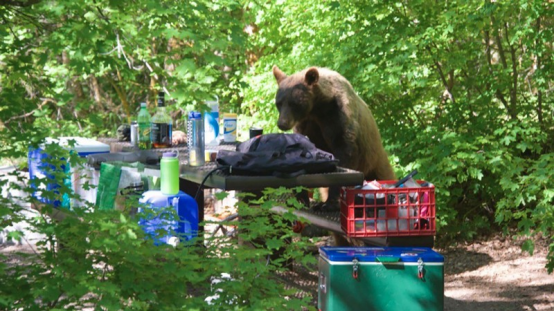
- Respect Wildlife: Observe animals from a distance. Never feed wildlife, as it can harm their health, alter natural behaviors, and expose them to predators or human dangers. Store food and trash securely to prevent attracting animals. Control pets to prevent them from disturbing wildlife.
- Be Considerate of Other Visitors: Preserve the tranquility of nature for everyone. Keep noise levels down, yield to other hikers on trails, and respect privacy. Choose campsites away from others, and be mindful of your group’s impact on the overall wilderness experience.
Minimizing Human-Wildlife Conflict
Direct interaction with wildlife can be detrimental to both humans and animals. Understanding and implementing strategies to prevent conflict is a cornerstone of responsible camping.
- Proper Food Storage: This is arguably the most critical aspect. All food, scented items (toothpaste, sunscreen), and trash must be stored securely to prevent animals from accessing them. This often involves using bear canisters, hanging food bags from trees (bear bagging), or storing items in bear-resistant lockers where available. The goal is to break the association between humans and an easy food source.
- Maintaining Distance: Always observe wildlife from a respectful distance. If an animal changes its behavior due to your presence, you are too close. Never approach, chase, or corner animals. Use binoculars or a telephoto lens for closer viewing.
- Avoiding Feeding Wildlife: Feeding animals, even seemingly harmless birds or squirrels, can lead to dependency, aggression, and an unhealthy diet for them. It also habituates them to humans, increasing the risk of conflict.
- Understanding Animal Behavior: Educate yourself about the local wildlife, including potential dangers and their typical behaviors. Knowing how to react calmly and appropriately if an encounter occurs is vital for safety.
Protecting Fragile Ecosystems
Beyond wildlife, the entire ecosystem relies on our careful stewardship. Every step we take and every action we perform has an impact.
- Staying on Marked Trails: Venturing off-trail can lead to soil compaction, erosion, and damage to delicate vegetation. Marked trails are designed to withstand foot traffic and minimize environmental disturbance.
- Water Source Protection: All soaps, even biodegradable ones, should be used at least 200 feet away from water sources. This prevents contamination of lakes, rivers, and streams, which are vital for both wildlife and other campers.
- Vegetation Preservation: Avoid picking wildflowers, breaking branches, or carving into trees. Every plant plays a role in the ecosystem.

Essential Gear & Thorough Pre-Trip Preparation for a Safe Adventure
While respecting nature is paramount, a successful and safe camping trip also hinges on meticulous preparation and having the right equipment. Under-preparation can lead to discomfort, danger, and an inability to adhere to responsible practices. This section delves into the critical gear you’ll need and the essential steps for pre-trip planning and gear inspection.
The Ultimate Camping Gear Checklist
A comprehensive checklist ensures you don’t forget crucial items, tailored to the type of camping (backpacking, car camping, glamping) and expected conditions.
- Shelter:
- Tent: Appropriate size for your group, suitable for expected weather (3-season, 4-season). Consider weight and ease of setup.
- Sleeping Bag: Rated for the lowest expected temperature. Down bags offer excellent warmth-to-weight; synthetic bags perform better when wet.
- Sleeping Pad: Provides insulation from the cold ground and comfort. Options include foam pads, self-inflating pads, or inflatable air mattresses.
- Pillow: Inflatable camping pillow or a stuff sack filled with clothes.
- Cooking & Hydration:
- Portable Stove & Fuel: Essential for cooking and boiling water. Ensure you have enough fuel for the duration of your trip.
- Cookware: Pot, pan, spatula, spoon. Lightweight options for backpacking.
- Eating Utensils & Plate/Bowl: Reusable options are best.
- Water Filter/Purifier: Crucial for backcountry camping. Options include pump filters, gravity filters, or chemical treatments.
- Water Bottles/Hydration Reservoir: Sufficient capacity for your daily needs.
- Food: Non-perishable, easy-to-prepare meals. Plan for extra in case of delays.
- Cooler (for car camping): To keep perishable food fresh.
- Navigation:
- Map & Compass: Always carry physical copies and know how to use them, even with GPS.
- GPS Device/Smartphone with Offline Maps: A valuable supplement, but don’t rely solely on electronics.
- Headlamp/Flashlight: With extra batteries. Essential for navigating in the dark.
- Safety & First Aid:
- First Aid Kit: Comprehensive kit for cuts, scrapes, blisters, insect bites, and more serious injuries. Include any personal medications.
- Whistle: For signaling in emergencies.
- Multi-tool/Knife: Versatile for repairs and various tasks.
- Fire Starter: Waterproof matches, lighter, fire steel.
- Emergency Shelter: Space blanket or lightweight tarp for unexpected situations.
- Sunscreen & Insect Repellent: Protect against environmental elements.
- Personal Items & Clothing:
- Layered Clothing: Base layer (moisture-wicking), mid-layer (insulation), outer layer (waterproof/windproof). Avoid cotton.
- Hiking Boots/Shoes: Broken in and appropriate for the terrain.
- Socks: Wool or synthetic, multiple pairs.
- Rain Gear: Jacket and pants.
- Toiletries: Toothbrush, biodegradable soap, hand sanitizer, toilet paper.
- Small Trowel: For digging catholes.
Pre-Trip Planning: Beyond the Checklist
Gear is only one part of the equation. Thorough planning ensures a smooth and safe trip, minimizing surprises and maximizing enjoyment.
- Route Planning & Permits: Research your destination thoroughly. Understand trail conditions, elevation changes, and potential hazards. Obtain any necessary permits for camping, hiking, or campfires well in advance. Some popular areas require reservations months ahead.
- Weather Monitoring: Check the forecast frequently leading up to your trip. Be prepared for unexpected changes and have contingency plans. Rain, snow, high winds, or extreme temperatures can drastically alter your experience and safety.
- Physical Preparation: Ensure you are physically fit enough for the planned activities. Practice hikes with your loaded pack can reveal potential issues and build endurance.
- Communicating Itinerary: Always inform a trusted friend or family member of your detailed itinerary, including your route, expected return date, and emergency contact information. This is a critical safety measure.
- Emergency Contacts & Information: Carry a waterproof copy of important phone numbers, emergency services, and any medical information for yourself or your group.
Gear Check & Maintenance: Ensuring Reliability
Even the best gear is useless if it fails when you need it most. A pre-trip inspection is non-negotiable.
- Pre-Trip Inspection:
- Tent: Set it up at home. Check for rips, broken poles, faulty zippers, and ensure all stakes and guy lines are present.
- Sleeping Bag: Inspect zippers, ensure loft is good.
- Stove: Test fire it. Ensure it ignites properly and fuel lines are clear. Check fuel levels.
- Headlamp/Flashlight: Insert fresh batteries and carry spares. Test all settings.
- Water Filter: Backflush or clean as per manufacturer instructions. Ensure all components are present.
- First Aid Kit: Replenish any used items and check expiration dates.
- Repair Kits: Carry small repair kits for common issues: duct tape, Tenacious Tape for fabric tears, a needle and thread, a small multitool, and spare parts for your stove or water filter if applicable.
- Proper Packing Techniques: Distribute weight evenly in your pack. Keep frequently used items accessible. Protect sensitive items from moisture.

Advanced Strategies for Eco-Conscious and Prepared Campers
For those seeking to elevate their responsible camping game, incorporating advanced strategies for resource management and emergency preparedness can significantly enhance both safety and environmental stewardship. These practices go beyond the basics, offering deeper insights into sustainable living in the wilderness.
Sustainable Practices for Water and Waste Management
Minimizing your footprint extends to how you manage water and all forms of waste, ensuring the purity of natural resources.
- Biodegradable Soaps and Minimal Use: While “biodegradable” implies it breaks down, even these soaps can pollute water sources if used directly in them. Always carry water at least 200 feet away from lakes, rivers, or streams before using soap, and then disperse the greywater broadly to allow soil to filter it. Better yet, minimize soap usage and opt for simple rinsing when possible.
- “Cathole” Digging for Human Waste: For solid human waste, the standard practice is to dig a “cathole” 6-8 inches deep and at least 200 feet (about 70 paces) from water, trails, and campsites. After use, cover it completely with soil and natural materials. This allows for decomposition and prevents contamination. Pack out all toilet paper.
- Packing Out All Trash, Including Food Scraps: This principle cannot be overstated. All trash, from food wrappers to apple cores and orange peels, must be packed out. While organic, food scraps take a long time to decompose, attract wildlife, and are unsightly. Consider carrying a dedicated trash bag.
- Minimizing Water Usage: Be mindful of your water consumption. Instead of washing dishes with copious amounts of water, scrape them clean and wipe them with a cloth, then use a minimal amount of water for a final rinse. Boil just enough water for your needs.
Emergency Preparedness and Risk Mitigation
Even with meticulous planning, unexpected situations can arise. Being prepared for emergencies is a hallmark of an advanced camper.
- Understanding Local Hazards: Research specific hazards for your chosen area. This could include flash flood risks, avalanche zones, venomous wildlife, specific plant irritants, or rapidly changing weather patterns. Knowledge is your first line of defense.
- Developing an Emergency Plan: Discuss potential scenarios with your group (e.g., getting lost, injury, severe weather) and establish clear protocols for how to react. This includes designated meeting points, signaling methods, and roles for each group member.
- Basic Wilderness First Aid Skills: Consider taking a wilderness first aid course. Knowing how to treat common injuries (sprains, fractures, hypothermia, severe cuts) can be life-saving when professional medical help is hours or days away.
- Signaling for Help: Understand various methods for signaling, such as using a whistle (three short blasts repeated), a mirror, or building a signal fire. Ensure your communication device (satellite messenger, personal locator beacon) is charged and functional.

The Joy and Responsibility of Connecting with Nature
Ultimately, the goal of responsible and prepared camping is to foster a deeper, more meaningful connection with nature. This connection is enriched when we approach the outdoors with a sense of wonder, respect, and a commitment to its preservation. It transforms a simple trip into an act of stewardship.
Fostering a Deeper Connection Through Mindful Camping
Mindful camping involves more than just physical presence; it’s about engaging with your surroundings thoughtfully and respectfully.
- Observing Nature Respectfully: Take time to simply observe the intricate details of the natural world – the patterns of leaves, the calls of birds, the flow of water. Do so quietly and from a distance, allowing nature to unfold undisturbed. This practice deepens appreciation and understanding.
- Minimizing Noise and Light Pollution: Avoid loud music or excessive talking that can disturb wildlife and other campers seeking solitude. At night, use headlamps sparingly and point them downwards to preserve night vision and the natural darkness of the environment. Stargazing is a profound experience best enjoyed without artificial light.
- Educating Others on Best Practices: Share your knowledge of responsible camping with friends, family, and fellow campers. Lead by example and gently educate others on LNT principles. Collective action amplifies positive impact.
Contributing to Conservation Efforts
Your commitment to nature can extend beyond your personal trips, contributing to broader conservation goals.
- Volunteering: Dedicate time to local trail maintenance, park clean-up days, or habitat restoration projects. Many organizations rely on volunteers to keep natural areas accessible and healthy.
- Supporting Conservation Organizations: Financial contributions or membership to organizations dedicated to land preservation and wildlife protection help fund vital research, advocacy, and on-the-ground conservation work.
- Advocating for Protected Areas: Stay informed about local and national environmental policies. Support initiatives that protect wilderness areas, create new parks, and ensure sustainable management of natural resources. Your voice can make a difference in preserving these spaces for future generations.
By embracing these advanced strategies, campers can move beyond merely “leaving no trace” to actively contributing to the health and longevity of the natural world. This holistic approach ensures that every adventure is not just a personal escape, but a meaningful act of environmental stewardship.
Conclusion
Embarking on a camping adventure is a truly enriching experience that offers a unique opportunity to reconnect with nature, challenge oneself, and create lasting memories. However, the privilege of exploring our wild spaces comes with a profound responsibility. By diligently adhering to Leave No Trace principles, meticulously preparing with essential gear, and continuously learning advanced safety and sustainability practices, every camper can become a guardian of the wilderness. Your actions, from properly storing food to respecting wildlife and planning your itinerary, collectively contribute to preserving the delicate balance of ecosystems and ensuring that the beauty and tranquility of the outdoors remain accessible for generations to come. Approach each trip with respect, preparation, and a deep appreciation for the natural world, and you will unlock the true essence of responsible camping.
Frequently Asked Questions (FAQ)
- Q1: What is the most critical Leave No Trace principle for beginners?
- For beginners, the most critical principle is arguably “Plan Ahead and Prepare.” This encompasses researching your destination, understanding local regulations, packing appropriate gear, and knowing how to handle waste and emergencies. Good planning prevents many potential impacts and ensures you can adhere to the other six principles effectively, setting a strong foundation for responsible outdoor ethics.
- Q2: How do I properly store food to deter wildlife while camping?
- Proper food storage is crucial to prevent wildlife from accessing human food, which can lead to habituation and dangerous encounters. The best methods include using a bear-resistant food canister, hanging a bear bag from a tree branch (at least 10-12 feet high and 4-6 feet from the tree trunk), or utilizing bear-resistant lockers if available at your campsite. All scented items, not just food, should be stored securely.
- Q3: What’s the single most important piece of gear for camping safety?
- While many items are vital, a comprehensive first aid kit is arguably the single most important piece of gear for camping safety. Accidents and minor injuries are common in the outdoors, and having the right supplies to treat them can prevent a small issue from becoming a serious emergency. Paired with basic wilderness first aid knowledge, it empowers you to handle unforeseen medical situations effectively.
- Q4: How can I minimize my environmental impact when bathing or washing dishes while camping?
- To minimize environmental impact, always carry water at least 200 feet (70 paces) away from any natural water source (lakes, rivers, streams) before washing. Use a minimal amount of biodegradable soap, if necessary, and then scatter the wastewater broadly over a large area to allow soil and vegetation to filter it. For dishes, scrape off all food scraps into your trash bag before washing, and then follow the same water dispersal method.
- Q5: What should I do if I encounter wildlife while camping?
- If you encounter wildlife, the primary rule is to observe from a safe and respectful distance. Never approach, feed, or try to interact with animals. If an animal notices you and changes its behavior, you are too close. Make noise to avoid surprising animals, especially in bear country. If you encounter a potentially dangerous animal like a bear, make yourself look big, make noise, and slowly back away, never running. Always secure food and trash to prevent attracting animals to your campsite.
Safety note: This article is for general information only. It is not medical, training, emergency, survival, or professional safety advice. Conditions, equipment needs, and personal health factors vary, so check current local guidance and consult qualified professionals before acting.

