
Introduction: Ski pants, the watershed between a good and bad skiing experience
Riding the ice and snow requires not only skill and courage, but also the right gear. Ski pants are often underestimated. They not only keep you warm and dry, but also directly impact your mobility and comfort while skiing. Choosing the right pants can keep you zipping through the freezing cold; choosing the wrong ones can leave you feeling damp, cold, and constricted all day.
This article will take you through the 10 key features that a pair of high-quality ski pants should have. Whether you are a novice on the slopes or an experienced veteran on the ski slopes, you can find the one that suits you.
1. Waterproof rating: “waterproof” is not enough
The primary function of ski pants is to protect against snow and water. Don’t be fooled by the word “waterproof”; the true waterproofness depends on the specific value.
10K-20K grade and above : Suitable for humid environments such as deep snow and blizzards, and is highly waterproof.
5K-10K level : suitable for sunny or light snowy weather, suitable for recreational skiers.
Also not to be overlooked are the taped seams , an important detail that prevents water from seeping in through the seams. This keeps your pants dry even if you fall and sit in the snow.
2. Warmth or Lightness? Insulated Pants vs. Softshell Pants
Ski pants can be broadly divided into two categories:
Insulated Pants : These have built-in insulation and are suitable for extremely cold regions or long periods of stationary activities.
Soft shell pants : no insulation layer, lighter and more flexible, suitable for layering and adjustment in changeable weather.
How to choose? If you frequently ski in varying climates, softshell pants are more adaptable. While they don’t inherently insulate, they can be layered over leggings for added warmth.
3. Don’t neglect breathability: skiing can also be “stuffy”
Skiing is an intense sport, and body heat builds up quickly. If your ski pants aren’t breathable, perspiration won’t escape easily, and you’ll quickly become clammy and cold.
Recommended features:
Thigh or back ventilation zippers : help regulate internal temperature.
Breathable membrane fabrics : such as Gore-Tex, HyVent, etc., have the dual properties of being waterproof and breathable.
Remember: good ski pants should not only be waterproof, but also breathable.
4. Fit is the prerequisite for comfort and safety
Ski pants aren’t about the bigger the better, nor the tighter the more fashionable. A good fit is about allowing you to move without being restricted or attacked by the snow.
Common cutting types:
Slim fit : Lighter and suitable for park skaters with strong technical skills.
Regular Fit : strikes a balance between comfort and flexibility.
Loose fit : provides more space for layering, suitable for extreme cold conditions.
Tips for avoiding pits: Pants that are too tight will restrict movement, while pants that are too wide will easily let snow in and affect warmth.
5. Choose ski pants materials for different weather conditions
Different climate conditions determine what kind of ski pants you need:
Dry and cold weather → It is recommended to choose high-insulation pants.
Cold and wet climates → Requires shell pants with high waterproof performance and ventilation system.
Spring skiing → Lightweight, thin, breathable fabrics are more suitable.
Don’t ignore these subtle differences, they can determine whether you can gallop freely on the snow or be tortured by “sweat + cold wind”.
6. Durability: A good pair of pants can be worn for many years
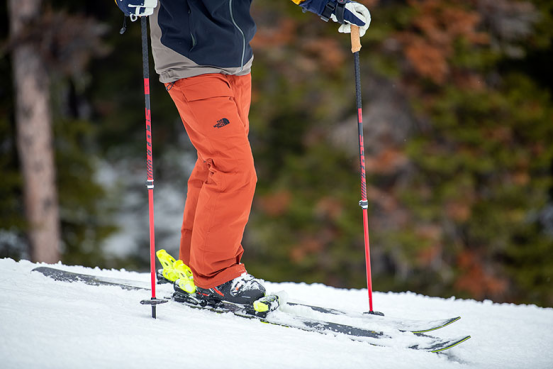
The ski resort environment is harsh, and trouser legs are often worn out by boots or damaged in falls.
Key details of durability include:
Cuff Reinforcement : prevents shoelaces and edges from scratching pants.
Ripstop fabrics (such as Cordura) : Increased durability in high-friction areas.
Double stitching : reinforced structure and extended service life.
Although this type of design is not obvious to the naked eye, it is particularly important in high-intensity skiing.
7. Price vs. Performance: Is it worth the investment?
Ski pants range in price from tens to hundreds of dollars. How can you decide if they’re worth the investment?
High-end ($200+) : Fully functional, durable, and suitable for high-frequency users.
Mid-range ($100-$200) : Suitable for most casual skiers, with high cost performance.
Entry-level (<$100) : A good choice when you’re on a budget, but may lack advanced protection.
If you ski several times a year, high-quality ski pants are a worthwhile long-term investment.
8. What are the differences between men’s and women’s styles?
The ski pants for men and women are not only different in color, but also in design:
Women’s style : fits the female waist and hip curve better, usually with a slightly shorter trouser leg and a more natural knee bend.
Men’s style : straighter lines and wider waist to suit different body shapes.
There are also more and more brands launching unisex or adjustable designs to suit various body shapes and preferences.
9. Functional details that cannot be ignored
A pair of ski pants that is truly “pleasant to use” often hides many thoughtful designs:
Adjustable waistband or side zipper : for quick and easy adjustment.
Gaiters : Prevent snow from entering your boots through your trouser legs.
Multifunctional pocket : The zippered pocket is not only safe but also can store passes, energy bars, mobile phones, etc.
These little designs will seem extremely precious when you are standing in the snow and waiting in line for the cable car.
10. Tips from experienced skiers: Don’t make these common mistakes
From the personal experience of netizens on ski forums and Reddit, it is worth collecting for beginners:
“Don’t sacrifice waterproofness for looks. No matter how expensive your pants are, they’re useless if they’re wet and cold.”
“Although overalls keep you warm, they’re not convenient for going to the bathroom, so remember to plan ahead.”
“When buying pants, try them on with your regular ski layer. Don’t underestimate the thickness of leggings.”
Conclusion: What kind of ski pants do you need?
Ski pants are your most loyal “battle suit” in the snowy mountains. Its functionality directly affects your whole day experience. When purchasing, remember the following points:
Prioritize waterproofness and breathability;
Choose an insulated or shell model depending on the climate;
Pay attention to the fit to avoid restricting movement;
Check out the durable details and consider long-term use;
Balance performance and frequency with your budget.
If you’re planning on hitting the slopes this winter, consider carefully choosing a pair of ski pants that truly fit you. You’ll thank yourself for making that wise choice.
Have you ever had a disastrous experience choosing the wrong pair of ski pants? Or do you have any ski brands you recommend? Share your story in the comments!
Safety note: This article is for general information only. It is not medical, training, emergency, survival, or professional safety advice. Conditions, equipment needs, and personal health factors vary, so check current local guidance and consult qualified professionals before acting.