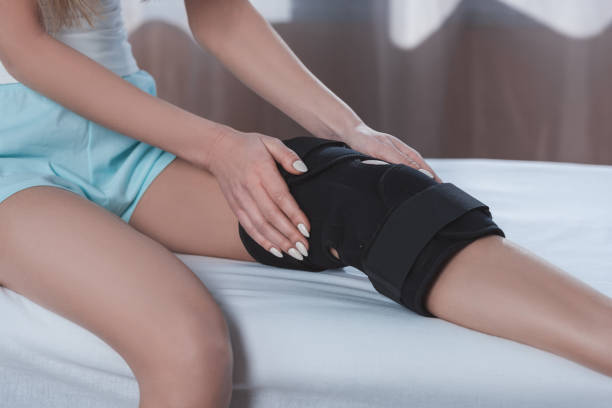

Understanding Knee Braces: Your Foundation for Joint Health
Knee pain can severely impact daily life, limiting mobility, hindering exercise, and diminishing overall quality of living. For many, a knee brace emerges as a crucial support system, acting as an everyday lifesaver. These devices are designed to provide external support to the knee joint, offering stability, reducing pain, and facilitating recovery from various injuries and chronic conditions. From professional athletes to individuals managing arthritis or recovering from surgery, knee braces play a pivotal role in restoring confidence and freedom of movement.
What Exactly is a Knee Brace?
A knee brace is a medical device worn around the knee to provide support, stability, and protection. It can be made from a variety of materials, including neoprene, elastic, metal, and plastic, each contributing to different levels of compression, warmth, and structural reinforcement. The primary goal of a knee brace is to help manage pain, prevent further injury, and assist in the rehabilitation process by limiting certain movements or offloading pressure from damaged areas of the joint.
- Support: Braces offer external stability, particularly beneficial for ligaments like the ACL, MCL, PCL, and LCL that may be weakened or torn.
- Pain Relief: By compressing the joint and providing support, braces can significantly reduce discomfort associated with arthritis, tendonitis, and post-injury inflammation.
- Injury Prevention: For athletes or individuals engaged in high-impact activities, preventive braces can minimize the risk of sprains or strains.
- Rehabilitation Aid: Post-surgery or during physical therapy, braces guide the knee through controlled movements, protecting healing tissues.

The Multifaceted Benefits of Integrating a Knee Brace into Your Life
The decision to use a knee brace often stems from a desire to regain lost mobility, alleviate persistent pain, or safeguard a recovering joint. The benefits extend far beyond simple physical support, encompassing psychological and functional improvements that can transform an individual’s daily experience. Understanding these diverse advantages can help clarify why a knee brace might be the “secret weapon” or “rehab hero” many have sought.
Enhanced Stability and Joint Protection
One of the most immediate and critical benefits of a knee brace is the enhanced stability it provides. This is particularly vital for individuals with ligamentous laxity or those recovering from injuries that compromise joint integrity. The brace acts as an external skeleton, reinforcing the knee’s natural structure and preventing unwanted movements that could exacerbate an injury or cause further damage.
- Ligament Support: Braces can specifically target and support injured ligaments (e.g., ACL, MCL), preventing hyperextension or lateral/medial shifts.
- Meniscus Protection: By stabilizing the joint, braces can reduce the shearing forces on the meniscus, offering relief and protection for tears or degeneration.
- Patellar Tracking: Some braces are designed to keep the kneecap properly aligned, reducing pain and wear associated with patellofemoral syndrome.
Significant Pain Reduction and Management
For individuals suffering from chronic conditions like osteoarthritis or acute pain from injuries, a knee brace can be a game-changer. The compression and support offered by a brace can help to reduce swelling, improve circulation, and offload pressure from painful areas of the joint. This leads to a noticeable decrease in pain, making activities that were once unbearable, such as walking, hiking, or climbing stairs, much more manageable.
Consider the impact on daily life: a reduction in pain means greater independence, improved sleep quality, and the ability to participate in social and recreational activities without constant discomfort. Many users report that their knee brace allows them to “get rid of that painful memory” and “regain the freedom of pain-free hiking.”
Accelerated Rehabilitation and Recovery
In the aftermath of surgery or a significant injury, the rehabilitation phase is crucial. A knee brace is often an indispensable tool in this process, guiding the healing joint through controlled movements and protecting it from premature stress. This structured support allows for progressive strengthening and flexibility exercises, safely advancing the recovery timeline.
For example, after an ACL reconstruction, a hinged knee brace might be prescribed to limit the range of motion, gradually increasing it as the ligament heals. Similarly, for MCL injuries, a brace can provide the necessary stability for the ligament to mend without being subjected to damaging lateral forces. User experiences, such as “my rehab hero saved my knee,” highlight the profound impact these devices have on the recovery journey.
Enhanced Confidence and Active Lifestyle Support
Beyond the physical benefits, knee braces offer significant psychological advantages. Knowing that your knee is supported and protected can instill confidence, encouraging individuals to resume activities they once enjoyed but feared due to pain or instability. This renewed confidence is vital for maintaining an active lifestyle, which is crucial for overall health and well-being.
Whether it’s for exercise, daily chores, or simply walking with ease, a knee brace can be a “good helper for exercise and rehabilitation,” enabling users to push their boundaries safely and comfortably. It transforms the knee from a source of apprehension into a supported, reliable joint.

Navigating the World of Knee Braces: Types and Their Specific Applications
The market for knee braces is vast, with designs tailored to address a spectrum of conditions and activity levels. Choosing the right brace is paramount to its effectiveness, ensuring it provides the appropriate support without hindering necessary movement. Understanding the main categories of knee braces and their intended uses is the first step towards finding your ideal “intimate protection.”
Prophylactic Braces: Preventing Injury
Prophylactic braces are primarily used by athletes, particularly in contact sports like football, to prevent knee injuries. These braces are designed to protect the ligaments from potential damage during impacts or sudden movements. While their effectiveness is sometimes debated, many athletes and trainers believe they offer an important layer of protection.
- Target Users: Athletes in high-risk sports, individuals with a history of minor knee instability looking for extra precaution.
- Mechanism: Often rigid or semi-rigid, they aim to absorb impact and resist forces that could hyperextend or twist the knee.
Functional Braces: Supporting Injured Knees
Functional braces are prescribed for individuals who have already sustained a knee injury, most commonly ligament tears (ACL, PCL, MCL, LCL). Their purpose is to provide stability to an unstable knee, allowing the wearer to participate in activities that might otherwise be too risky. These are frequently used post-surgery or for long-term management of ligamentous laxity.
- Key Feature: Hinged designs that control the range of motion and prevent specific unwanted movements.
- Materials: Often made from lightweight metals and rigid plastics for maximum support.
- Conditions: ACL tears, PCL tears, MCL/LCL instability, post-surgical recovery.
Rehabilitative Braces: Guiding Recovery
Rehabilitative braces are specifically designed to protect a healing knee after surgery or injury, limiting movement to a safe range. They are typically adjustable, allowing healthcare professionals to gradually increase the allowed range of motion as the knee heals. These braces are temporary and are removed once the knee has recovered sufficiently.
- Purpose: Immobilization and controlled motion during the early stages of recovery.
- Adjustability: Features like adjustable hinges allow for precise control over flexion and extension.
- Example: A brace like the Bracoo KS10, often reviewed for its utility during rehabilitation, falls into this category for many users.
Unloader/Offloader Braces: Alleviating Arthritis Pain
Unloader or offloader braces are engineered to shift stress from a damaged area of the knee to a healthier one. They are most commonly used by individuals with osteoarthritis, particularly when the cartilage on one side of the knee is more degraded than the other. By creating a three-point leverage system, they gently push the knee away from the painful area, reducing pressure and pain.
- Primary Condition: Unicompartmental osteoarthritis (affecting only one side of the knee).
- Mechanism: Redistributes load to alleviate pain in the affected compartment.
Compression Sleeves/Wraps: Mild Support and Pain Relief
Compression sleeves are the simplest form of knee support, offering mild compression, warmth, and proprioceptive feedback (awareness of joint position). They are typically made from elastic or neoprene and are ideal for minor aches, strains, or mild arthritis. They do not provide significant structural support but can be very effective for pain management and reducing swelling.
- Benefits: Muscle warmth, reduced swelling, improved blood flow, minor pain relief.
- Best for: Mild arthritis, tendonitis, general knee soreness, light exercise.

Knee Braces for Specific Conditions: Tailored Solutions for Targeted Relief
The effectiveness of a knee brace often lies in its ability to address the unique biomechanical challenges presented by specific injuries or chronic conditions. While general support is beneficial, targeted designs offer superior relief and aid in recovery for conditions ranging from ligament tears to degenerative diseases. This section explores how different brace types provide “a must-have for all family pain relief.”
Arthritis Management with Knee Braces
Osteoarthritis (OA), particularly unicompartmental OA, is a leading cause of chronic knee pain. For these patients, unloader braces are often recommended. These braces work by subtly altering the alignment of the knee, shifting weight away from the arthritic compartment to the healthier side. This reduces bone-on-bone friction and alleviates pain, allowing for greater mobility and activity.
Key Considerations for Arthritis Braces:
- Custom vs. Off-the-Shelf: Custom-fit unloader braces offer superior fit and effectiveness but are more expensive. Off-the-shelf options are more accessible.
- Comfort for Daily Wear: Since arthritis is a chronic condition, the brace must be comfortable enough for extended daily use.
- Compression Sleeves: For milder arthritis or generalized pain, compression sleeves can provide warmth and mild support, reducing swelling and offering comfort without significant structural correction.
Statistical data suggests that unloader braces can reduce pain by 20-30% and improve function in patients with medial compartment osteoarthritis, delaying the need for surgical intervention in some cases.
Addressing Ligamentous Injuries: ACL, MCL, and More
Ligament tears are among the most common and debilitating knee injuries, often requiring significant recovery time. Knee braces play a critical role in both the immediate post-injury phase and long-term rehabilitation.
ACL (Anterior Cruciate Ligament) Injuries
An ACL tear is a severe injury, often sustained during sports requiring sudden stops, changes in direction, or jumping. Functional braces are extensively used post-ACL reconstruction surgery to protect the new graft, control range of motion, and prevent hyperextension. Even for non-surgical management, a functional brace can provide stability, helping individuals return to some level of activity safely.
Brace Features for ACL:
- Hinged Design: Crucial for controlling flexion and extension, preventing dangerous movements.
- Rigid Frame: Provides robust external support to compensate for the compromised ligament.
- Custom Fit: Essential for preventing brace migration and ensuring optimal support during dynamic movements.
MCL (Medial Collateral Ligament) Injuries
MCL injuries typically result from a direct blow to the outside of the knee or a valgus (inward) stress. Unlike ACL tears, MCL injuries often heal without surgery. Rehabilitative or hinged functional braces are key here to immobilize the knee initially and then gradually allow controlled movement, protecting the healing ligament from lateral forces.
Brace Features for MCL:
- Medial/Lateral Support: Designed to resist valgus stress, protecting the inner knee.
- Adjustable Hinges: Allows for a controlled increase in range of motion as healing progresses.
Case studies frequently highlight individuals returning to activities like hiking after MCL injuries, crediting their brace with providing the necessary confidence and protection during recovery.
Knee Braces for Meniscus Tears and Patellar Issues
Meniscus Tears: While braces don’t directly heal meniscus tears, they can provide stability to the joint, reducing the shearing forces that aggravate a torn meniscus. Functional braces can help manage pain and allow for activities with less discomfort, especially if surgery is not immediately pursued.
Patellofemoral Pain Syndrome (Runner’s Knee): Braces designed with a patellar buttress or strap can help keep the kneecap properly aligned in its groove, reducing friction and pain. These are typically compression sleeves with targeted support around the patella, making walking and exercise “easier.”

Choosing the Right Knee Brace: A Comprehensive Selection Guide
Selecting the appropriate knee brace is not a one-size-fits-all endeavor. The effectiveness of a brace hinges on matching its design and features to your specific condition, activity level, and anatomical needs. A poorly chosen brace can be uncomfortable, ineffective, or even detrimental. This guide will help you navigate the essential factors in making an informed decision, ensuring you select “the most intimate protection for your knees.”
Consulting with a Healthcare Professional
The first and most crucial step is to consult with a doctor, physical therapist, or orthopedic specialist. They can accurately diagnose your knee condition, assess the extent of any injury, and recommend the type of brace best suited for your medical needs. Their expertise will ensure that the brace complements your treatment plan and rehabilitation goals.
- Accurate Diagnosis: Essential for understanding the underlying problem (e.g., specific ligament tear, type of arthritis, patellar misalignment).
- Professional Recommendation: Medical professionals can advise on the brace type, level of support, and even specific brands or models that have proven effective for similar cases.
- Fitting Guidance: A professional can help ensure the brace is properly measured and fitted, which is critical for comfort and efficacy.
Key Factors to Consider When Selecting a Brace
Once you have a general recommendation, several practical factors will influence your final choice:
1. Type of Injury or Condition
As discussed, different conditions require different brace types. A compression sleeve for mild pain is vastly different from a hinged functional brace for an ACL tear. Ensure the brace’s design directly addresses your specific issue.
Table: Brace Type vs. Condition Suitability
| Brace Type | Primary Conditions | Level of Support |
|---|---|---|
| Compression Sleeve | Mild arthritis, general soreness, minor strains | Mild |
| Patellar Brace/Strap | Patellofemoral pain, patellar tendonitis | Moderate (targeted) |
| Hinged Brace (Rehabilitative/Functional) | ACL/MCL/PCL tears, post-surgical recovery | High |
| Unloader Brace | Unicompartmental osteoarthritis | High (load redistribution) |
| Prophylactic Brace | Injury prevention in contact sports | Moderate to High |
2. Activity Level and Lifestyle
Your daily activities and exercise regimen will significantly impact brace selection. An athlete returning to high-impact sports will need a more robust and secure brace than someone seeking relief for walking around the house.
- High-Impact Sports: Look for durable, rigid frames with strong hinges and secure strapping systems.
- Daily Wear/Light Activity: Prioritize comfort, breathability, and ease of donning/doffing. Compression sleeves or lighter hinged braces might suffice.
- Rehabilitation: Adjustable hinges and controlled range of motion features are paramount.
3. Material and Comfort
The material affects breathability, flexibility, and skin comfort, especially for extended wear. Neoprene offers warmth and compression, while lighter, breathable fabrics like spandex blends are good for hot climates or sensitive skin. Ensure no chafing or irritation points.
4. Fit and Sizing
A brace must fit snugly but not restrict circulation. Too loose, and it will migrate and be ineffective; too tight, and it can cause discomfort or skin issues. Always follow the manufacturer’s sizing guide, which usually involves measuring the circumference of your thigh and calf at specific points. Some braces, like the Bracoo KS10, are praised for their user-friendly sizing and adjustability.
5. Ease of Use and Maintenance
Consider how easy the brace is to put on, take off, and clean. For individuals with limited dexterity, simpler designs may be preferable. Regular cleaning is essential for hygiene, especially if worn during exercise.

Integrating Knee Braces into Rehabilitation and Daily Life
A knee brace is more than just a piece of medical equipment; it’s a partner in recovery and a tool for maintaining an active, pain-free life. Proper integration into both structured rehabilitation programs and everyday routines is crucial for maximizing its benefits and ensuring long-term success. This involves understanding wear schedules, combining with physical therapy, and adapting to daily challenges.
Knee Braces as a Rehabilitation Hero
During the rehabilitation phase following an injury or surgery, a knee brace plays a critical protective and guiding role. It ensures that the healing tissues are not overstressed while still allowing for controlled, progressive movement. This balance is vital for preventing re-injury and promoting optimal recovery.
- Post-Surgical Protection: Immediately after surgery, a brace often immobilizes the knee or restricts movement to a very limited, safe range. This protects surgical repairs (e.g., ACL graft) from premature strain.
- Controlled Range of Motion: As healing progresses, the brace’s hinges can be adjusted to gradually increase the allowed flexion and extension. This guided movement prevents stiffness while still safeguarding the joint.
- Proprioceptive Feedback: The brace provides constant sensory input to the brain about the knee’s position, helping to improve proprioception – the body’s awareness of its position in space. This is crucial for regaining balance and coordination.
Many individuals share experiences of their knee brace being their “rehab hero,” enabling them to perform exercises with confidence and progress through therapy stages more effectively. For instance, reviews of specific braces like the Bracoo KS10 often highlight its utility as a “helper on the road to recovery.”
Wearing Protocols and Daily Adaptations
The duration and frequency of brace wear depend entirely on the individual’s condition and the recommendations of their healthcare provider. Some braces are worn only during specific activities, while others are designed for all-day use.
- Activity-Specific Wear: For conditions like patellofemoral pain or minor instability, a brace might only be needed during exercise, hiking, or prolonged standing.
- All-Day Support: Individuals with chronic arthritis or significant ligamentous laxity may benefit from wearing their brace for most waking hours to manage pain and provide continuous support.
- Sleep: Generally, most functional and rehabilitative braces are removed during sleep unless specifically instructed otherwise by a doctor. Compression sleeves, however, can sometimes be worn at night for warmth and mild swelling reduction.
Integrating a brace into daily life also means adapting to its presence. This might involve adjusting clothing choices to accommodate the brace or learning techniques for comfortable sitting and movement. Over time, the brace often becomes a natural extension of the body, providing confidence for everyday tasks, from gardening to walking the dog.
Combining Brace Use with Physical Therapy and Exercise
A knee brace is rarely a standalone solution. Its effectiveness is significantly amplified when used in conjunction with a comprehensive physical therapy program. Physical therapy focuses on strengthening the muscles surrounding the knee, improving flexibility, and restoring normal movement patterns.
- Strengthening Exercises: A brace can provide the necessary support to perform strengthening exercises (e.g., quad sets, hamstring curls, leg presses) safely, allowing muscles to rebuild without overstressing the healing joint.
- Balance and Proprioception Training: While the brace aids proprioception, targeted exercises are essential for improving it, enabling the knee to function independently once the brace is no longer needed.
- Flexibility and Range of Motion: Therapists work to restore full, pain-free range of motion, often guided by the brace’s adjustable settings during the early stages.
The synergy between brace use and physical therapy is what truly “saves” a knee and helps individuals regain “the freedom of pain-free hiking.” It’s a holistic approach to knee health that combines external support with internal strengthening.

Maintaining Your Knee Brace: Care and Longevity
To ensure your knee brace remains an effective “lifesaver” and provides optimal support throughout its lifespan, proper care and maintenance are essential. Neglecting these aspects can lead to reduced effectiveness, hygiene issues, and premature wear. Following simple guidelines will help extend the life of your brace and keep it functioning at its best.
Regular Cleaning for Hygiene and Performance
Knee braces, especially those worn directly against the skin or during physical activity, can accumulate sweat, dirt, and skin oils. Regular cleaning is crucial to prevent skin irritation, odor, and bacterial growth, while also maintaining the integrity of the materials.
- Fabric Braces (Neoprene, Elastic):
- Hand Wash: Most fabric braces should be hand washed in cool water with a mild soap (e.g., dish soap or gentle detergent).
- Rinse Thoroughly: Ensure all soap residue is removed to prevent skin irritation.
- Air Dry: Always air dry your brace completely. Avoid direct sunlight or high heat (like a dryer), as this can damage elastic fibers and neoprene, leading to a loss of compression and shape.
- Frequency: Clean after every few uses, or daily if worn during intense exercise or in hot weather.
- Rigid/Hinged Braces (Metal, Plastic):
- Wipe Down: Use a damp cloth with mild soap to wipe down plastic and metal components.
- Padding: Removable padding can often be hand washed or wiped clean as per fabric brace instructions.
- Hinges: Periodically check hinges for debris and ensure they move freely. Do not lubricate unless specifically instructed by the manufacturer, as this can attract dirt.
Inspection and Timely Replacement
Even with the best care, braces will eventually show signs of wear and tear. Regular inspection helps identify issues before they compromise the brace’s effectiveness or lead to further injury.
- Straps and Fasteners: Check Velcro straps for loss of grip and buckles for cracks or damage. Worn straps will not secure the brace properly, leading to migration and reduced support.
- Fabric Integrity: Look for fraying, tears, or stretching in elastic materials. A stretched-out compression sleeve loses its ability to provide effective compression.
- Hinges and Frame: For rigid braces, inspect hinges for looseness, rust, or damage. Check the frame for bends or cracks. Any compromise to the structural integrity means the brace may no longer provide adequate protection.
- Padding: Worn or flattened padding can reduce comfort and shift pressure points, potentially causing discomfort or skin breakdown.
The lifespan of a brace varies greatly depending on its type, frequency of use, and activity level. A brace used daily for high-impact sports will wear out faster than one used occasionally for mild support. Generally, a compression sleeve might last 6-12 months, while a well-maintained functional brace could last 1-3 years or more. Timely replacement ensures continuous, effective support for your knee health.
 Safety note: This article is for general information only. It is not medical, training, emergency, survival, or professional safety advice. Conditions, equipment needs, and personal health factors vary, so check current local guidance and consult qualified professionals before acting.

