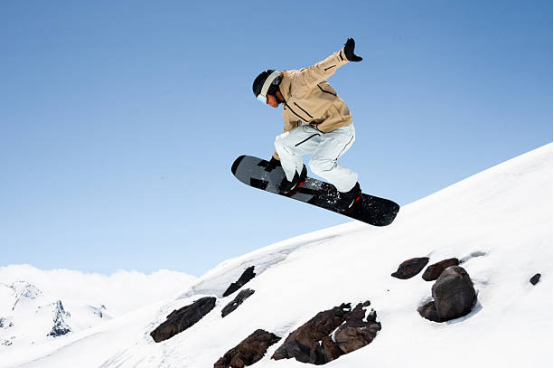

Snowboarding, in simple terms, is standing on a board and speeding on the snow. It originated in the United States and has now become one of the most popular winter sports in the world. Speed and balance are intertwined, and when the snowflakes fly, the adrenaline soars. Just thinking about it makes people excited.
A little history of snowboarding
When it comes to snowboarding, we have to thank Sherman Poppen, an engineer from Michigan, in 1966 for coming up with a toy called the “snurfer”. Unexpectedly, once it was launched, it became a new favorite for children in winter. In the 1970s, the shape of snowboards was gradually finalized, and in the 1990s, it became popular all over the world. In 1998, snowboarding finally made its glorious debut on the stage of the Winter Olympics. Now, it is still attracting more and more new friends at an astonishing rate.
How to play snowboarding?
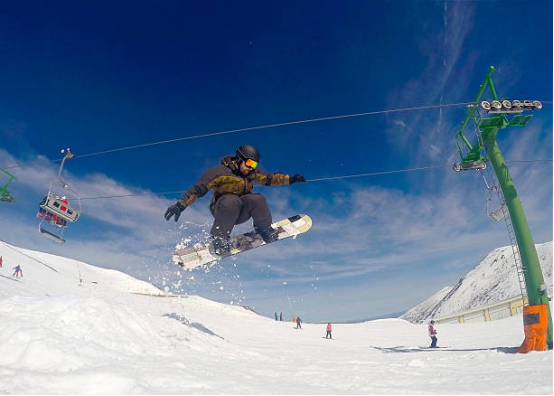
If you insist, snowboarding is actually a hybrid of skiing, skateboarding and surfing. Take a board, put on bindings and snow boots, and rush down the snowy slopes. The process tests your sense of balance and courage.
The size and width of each snowboard are different, but generally speaking, the most common ones are 1.5 meters long and 25 centimeters wide. It’s very exciting to slide down.
If you really want to be good at it, you still have to find a professional winter sports center to learn. However, even if there is no ski resort near your home, don’t worry – practicing skateboarding, surfing, and feeling the pleasure of “standing on something without falling” are also good starts.
How should beginners practice?
Don’t expect to become an expert in a second when you stand on a snowboard for the first time. Snowboarding is actually quite challenging for the body, especially the legs and core muscles.
It is recommended to do more squats, jumping squats, lunges, and jumping lunges to strengthen the thighs and calves. Plank support and side support are also very useful. If you can stabilize your core, you will not be crooked when skating.
The trouble with wearing boots
Wearing ski boots is a bit like wearing very tight leather shoes when you were a kid – you need patience.
Tips: Loosen all the laces of the boots first, and then slowly slide your feet in. Tie the inner boot first, then the outer laces. Remember to take a few steps to try it out, and it will be considered successful only if it is comfortable.
How long does it take to learn to ski?
Well… there is no standard answer. Everyone’s physical condition and motor nerves are different. Generally speaking, it takes three to five days to master the basic movements. But if you want to do cool fancy moves, it will take longer. The most important thing is not to rush, take your time, and enjoy every slide.
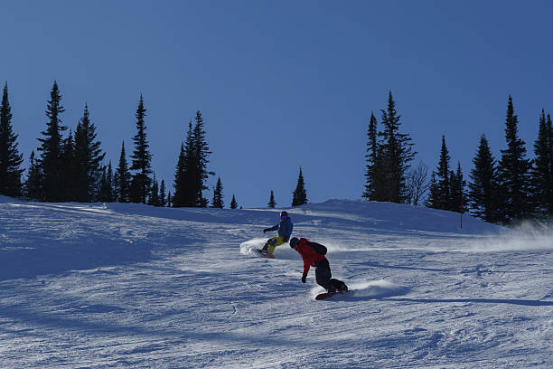
What should you pay attention to when snowboarding?
Ski resorts are crowded and lively, but that also means that you have to follow the rules. For example:
When skating, pay attention to the people around you and don’t rush around.
Control your speed and don’t go beyond what you can handle.
When you encounter someone walking slowly, leave enough space and don’t get too close.
Stopping for a break? Find a spot that’s out of the way.
Never walk against the slope; if you must walk, walk to the side.
Most importantly: When you see the signs, just follow them!
Snowboarding jargon
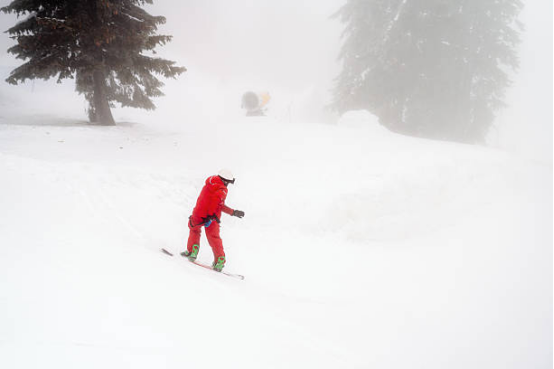
The skiing community has its own language that sounds super cool, like:
Springboard : It’s not about sliding on the edge, it’s about jumping on the bottom of the board.
Freestyle skiing : do whatever you want and fly anywhere.
Alpine skiing : a more professional racing mode.
Slopestyle , big jump , half-pipe : all kinds of flying and diving events.
Boardercross : Imagine a snowboard version of motocross.
Straight jumps , grasping , spinning , flipping , handstands : the movements are so cool and show off.
A small list of essential equipment
If you want to snowboard, you need the necessary equipment. The most basic ones are:
Snowboard : It is recommended for beginners to rent a suitable one instead of buying it at the beginning.
Ski boots : They must fit your feet well and be comfortable.
Ski suit : windproof, waterproof and stylish!
Helmet : Protect your head, absolutely necessary.
Goggles : The light in the snow is very dazzling, so goggles are necessary.
Gloves, backpacks, masks : little helpers to keep warm and protect against cold.
There are also a lot of cool equipment, such as electric heated ski socks and snowboard backpacks… In short, once you get into the pit, your wallet is basically doomed
Safety note: This article is for general information only. It is not medical, training, emergency, survival, or professional safety advice. Conditions, equipment needs, and personal health factors vary, so check current local guidance and consult qualified professionals before acting.