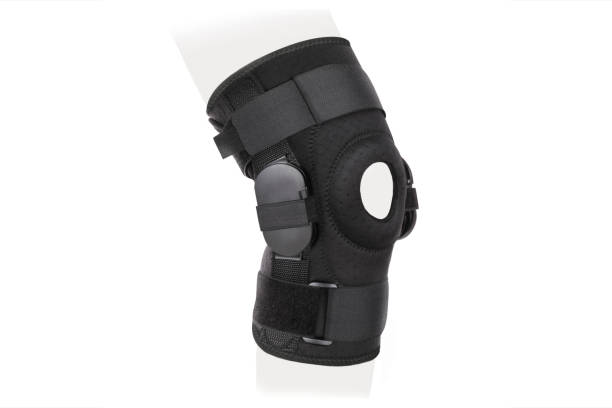

The Science of Knee Support and Mechanical Relief
Knee braces are often misunderstood as mere accessories for the injured, but they serve as essential tools for structural support and proprioceptive enhancement. By applying targeted compression, a high-quality knee brace stabilizes the patella and surrounding ligaments, effectively redistributing stress away from the joint.
How Compression Changes the Game
Compression is not just about tightness; it is about medical-grade pressure that facilitates blood flow and reduces inflammation. When you apply a brace, you are essentially providing an external ligament system that assists the body in maintaining proper alignment during high-impact activities.
- Reduction of Edema: Constant, gentle pressure prevents the accumulation of fluid in the joint capsule.
- Proprioceptive Feedback: The brace increases awareness of the joint’s position in space, helping to prevent awkward movements that lead to sprains.

Optimizing Performance Across Diverse Activities
Whether you are an avid gardener, a weekend golfer, or a competitive basketball player, your knees are under constant load. Integrating a supportive brace into your routine can be the difference between chronic pain and peak performance.
Gardening and Daily Mobility
Gardening requires prolonged kneeling and repetitive bending, which places immense pressure on the patellar tendon. Wearing a brace provides a protective cushion and maintains joint warmth, which is crucial for muscle elasticity.
Sports-Specific Advantages
- Golf: Stability during the swing rotation is key. A brace prevents lateral instability during the pivot.
- Basketball: Jumping and landing put massive torque on the knee. A brace acts as a shock absorber, minimizing the impact forces that travel up the leg.

Deep Dive: The Bracoo KS10 User Experience
The Bracoo KS10 has emerged as a gold standard for versatile knee support. Users consistently report that its balance between flexibility and structural integrity makes it ideal for all-day wear, whether during strenuous exercise or while performing household chores.
Why Users Choose the KS10
The design focuses on breathable materials that prevent skin irritation while ensuring the brace does not slip during movement. This reliability is critical for those who rely on the brace for consistent relief throughout a long day.
| Feature | Benefit |
|---|---|
| Adjustable Straps | Customizable compression levels |
| Breathable Neoprene | Prevents sweat build-up and skin issues |
| Open-Patella Design | Reduces pressure on the kneecap |

Long-Term Knee Health and Maintenance
A knee brace is a proactive investment in your mobility. Rather than waiting for pain to become chronic, using a brace during high-stress activities helps preserve the integrity of the cartilage and ligaments over time.
Building Strength Alongside Support
It is important to remember that a brace is a companion to physical therapy, not a replacement. Use the brace to manage pain, allowing you to perform the necessary strengthening exercises that will eventually make your knees more resilient on their own.
Frequently Asked Questions (FAQ)
- Q1: Should I wear a knee brace all day?
- Generally, knee braces are recommended for active periods. Unless prescribed by a physician, avoid wearing them while sleeping to allow for natural circulation.
- Q2: How do I know if a knee brace fits correctly?
- A proper fit should feel snug but not restrictive. You should be able to move your knee through its full range of motion without the brace sliding down or cutting off circulation.
- Q3: Can a knee brace help with arthritis pain?
- Yes, many users find that the warmth and compression provided by a brace help mitigate the stiffness and discomfort associated with mild to moderate osteoarthritis.
- Q4: How should I clean my knee brace?
- Hand-wash your brace in cool water with a mild detergent and air-dry it away from direct sunlight to maintain the elasticity of the fabric and the integrity of the Velcro fasteners.
Safety note: This article is for general information only. It is not medical, training, emergency, survival, or professional safety advice. Conditions, equipment needs, and personal health factors vary, so check current local guidance and consult qualified professionals before acting.


