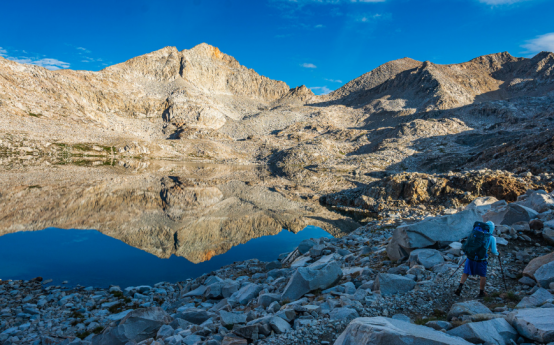

Essential Backpacking Gear Considerations
Embarking on a backpacking trip requires careful consideration of the gear you carry. The selection process is paramount, influencing your comfort, safety, and overall enjoyment of the wilderness. It’s not merely about acquiring the most expensive items, but rather about choosing equipment that is appropriate for your intended adventures, your personal needs, and the conditions you expect to encounter. Understanding the fundamental categories of backpacking gear and their specific functions will empower you to make informed decisions. This involves researching different types of backpacks, sleeping systems, shelter options, cooking equipment, and essential clothing layers. Each component plays a vital role in creating a functional and efficient setup, ensuring you are well-prepared for the challenges and rewards of the trail.
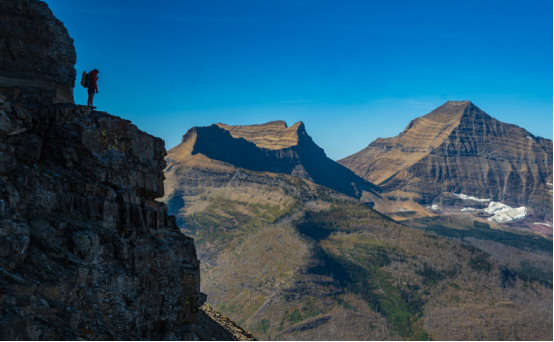
Key Factors in Backpacking Gear Purchase
When purchasing backpacking gear, several critical factors should guide your decision-making process to ensure you acquire items that enhance, rather than hinder, your outdoor pursuits. Prioritizing durability is essential; gear that can withstand the rigors of the trail will offer better value and reliability over time. Consider the weight of each item, as this directly impacts your overall pack load and your ability to cover distances comfortably. Versatility is another crucial aspect; multi-functional items can reduce the total number of pieces you need to carry. Your personal comfort preferences should also be taken into account, especially for items like sleeping bags and sleeping pads, where individual needs can vary significantly. Furthermore, understanding the intended use of the gear is vital. Are you planning short weekend trips, or are you embarking on extended thru-hikes? The answer will influence the type and capacity of the equipment you require. Lastly, budget plays a role, but it’s advisable to invest in quality where it matters most, such as in your backpack, boots, and shelter, as these are foundational to a successful backpacking experience.
Understanding Backpack Capacity and Fit
The capacity of a backpack, measured in liters, is a primary determinant of how much gear you can carry. For day hikes, a capacity of 20-35 liters is usually sufficient. Weekend trips typically require 35-50 liters, while multi-day expeditions may necessitate packs ranging from 50 to 80 liters or more. Beyond capacity, the fit of a backpack is paramount. A well-fitting pack distributes weight evenly across your hips and shoulders, preventing discomfort and strain. Key elements of a good fit include the torso length adjustment, which should align the pack’s suspension system with your body’s natural contours, and the hip belt, which should rest comfortably on your iliac crest, carrying the majority of the load. Shoulder straps should contour to your shoulders without digging in, and a sternum strap can help stabilize the load and prevent the shoulder straps from slipping.
Selecting Appropriate Sleeping Systems
Your sleeping system is crucial for a good night’s rest in the backcountry. This includes your sleeping bag and sleeping pad. Sleeping bags are rated by temperature, and it’s essential to choose one that can handle the lowest temperatures you anticipate. Consider the bag’s fill material (down or synthetic), as down offers superior warmth-to-weight ratio but loses insulating properties when wet, whereas synthetic fills retain some warmth even when damp. Sleeping pads provide both insulation from the cold ground and cushioning for comfort. Options include closed-cell foam pads, which are durable and affordable but less comfortable, and inflatable pads, which offer superior comfort and insulation but are more susceptible to punctures.
Choosing a Reliable Shelter
A tent or other shelter is your primary protection against the elements. Backpacking tents come in various sizes, from single-person ultralight models to larger multi-person designs. Key considerations include weight, ease of setup, durability, and weather resistance. Look for features like waterproof rainflies, sturdy poles, and good ventilation to prevent condensation buildup. For minimalist approaches, tarps or bivvy sacks can offer lighter alternatives, but they provide less protection and require more skill to pitch effectively.
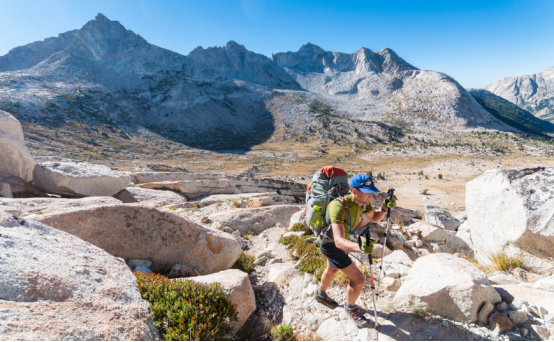
Optimizing Backpack Weight for Comfort and Efficiency
The weight of your backpack is a critical factor that directly influences your hiking experience. An excessively heavy pack can lead to fatigue, discomfort, and an increased risk of injury, making even short distances feel arduous. The goal of weight optimization is to achieve an optimal balance between carrying essential items and minimizing unnecessary bulk. This process begins with a thorough assessment of your gear, scrutinizing each item for its necessity and weight. Experienced backpackers often advocate for the “base weight” concept, which refers to the weight of your pack excluding consumables like food, water, and fuel. Reducing base weight is a primary strategy for making your pack lighter and more manageable.
Strategies for Reducing Pack Weight
Several effective strategies can be employed to reduce your pack weight. Firstly, decluttering is essential; remove any items that are not strictly necessary for your trip’s safety or comfort. Secondly, consider the weight of each gear category. Ultralight gear, while often more expensive, can significantly reduce your overall load. For example, opting for a lightweight tent, a down sleeping bag, and a titanium cookset can shave off substantial pounds. Thirdly, multi-functional gear is invaluable. A trekking pole can double as a tent pole for some tarp setups, and a bandana can serve multiple purposes. Finally, careful planning of food and water supplies is crucial. Repackaging food into lighter, more compact containers and utilizing water filters or purification tablets instead of carrying large amounts of water can also contribute to weight reduction.
Understanding the Ideal Backpack Weight Percentage
A commonly cited guideline suggests that your total backpack weight, including food and water, should not exceed 20% of your body weight. For instance, if you weigh 150 pounds, your pack should ideally weigh no more than 30 pounds. However, this is a general rule of thumb and can vary based on individual fitness levels, the terrain, and the duration of the trip. For longer or more strenuous expeditions, aiming for a lower percentage, perhaps 15%, might be more appropriate. It’s crucial to listen to your body and adjust your pack weight accordingly, prioritizing comfort and sustainability over simply adhering to a numerical target. Regularly assessing your pack’s weight and making adjustments based on your experience is key to developing an efficient carrying system.
The Impact of Weight Distribution
Beyond the total weight, how that weight is distributed within your backpack is equally important for comfort and stability. Heavier items, such as a stove, fuel, and food, should generally be placed close to your back and in the middle of the pack, ideally between your shoulder blades. Lighter, bulkier items like your sleeping bag can go at the bottom, while frequently accessed items, such as rain gear, snacks, and navigation tools, should be stored in the top lid or external pockets for easy access. Proper weight distribution ensures that the pack’s center of gravity is aligned with your own, promoting better balance and reducing strain on your back and shoulders.
Navigating Backpacking in the Rain
Backpacking in the rain presents a unique set of challenges that require specific preparation and strategies to ensure safety and comfort. The presence of moisture can significantly impact your experience, affecting everything from your gear’s performance to your body’s ability to regulate temperature. While rain can be a deterrent for some, with the right knowledge and equipment, it can also be a rewarding and serene experience. Understanding how to manage wet conditions is a vital skill for any serious backpacker, allowing you to extend your hiking season and embrace the full spectrum of outdoor environments.
Essential Rain Gear and Waterproofing Techniques
The cornerstone of staying dry in the rain is having appropriate rain gear. This typically includes a waterproof and breathable jacket and pants. Look for garments with sealed seams and adjustable hoods and cuffs. Waterproofing extends beyond your outer layers; consider waterproof socks, gloves, and gaiters to protect your extremities. For your backpack, a rain cover is indispensable, preventing water from soaking your pack and its contents. Inside your pack, use dry bags or sturdy plastic bags to compartmentalize and protect sensitive items like your sleeping bag, electronics, and extra clothing. Regularly treating your gear with a DWR (Durable Water Repellent) finish can also significantly enhance its water-resistance over time.
Maintaining Warmth and Preventing Hypothermia
When you get wet, your body loses heat much faster, increasing the risk of hypothermia. The key to staying warm in the rain is to manage moisture and layer effectively. Avoid cotton clothing, as it absorbs moisture and stays wet, clinging to your skin and drawing heat away. Opt for synthetic or wool base layers that wick moisture away from your body and retain insulating properties even when damp. Always carry extra dry layers, especially for your core and feet, and change into them as soon as possible if you become wet. Keeping your head covered with a warm hat is also crucial, as a significant amount of body heat can be lost through the head.
Coping with Wet Campsites and Gear
Setting up camp in the rain requires careful site selection and efficient pitching. Look for a sheltered spot, ideally under dense tree cover, but avoid areas prone to flash floods or falling branches. Pitching your tent quickly and efficiently is paramount. If possible, set up your rainfly first to create a dry workspace inside the tent. Once in your tent, managing wet gear is important to prevent everything from becoming damp. Hang wet clothes and rain gear to dry inside the tent if possible, or in a sheltered spot outside. If your sleeping bag gets damp, try to air it out in the sun at the first opportunity. Eating warm food and drinking hot beverages can also significantly help in rewarming your body after a wet day.
Frequently Asked Questions (FAQ)
- Q1: What is the most important piece of backpacking gear to invest in?
- The most crucial piece of backpacking gear to invest in is your backpack. A well-fitting, comfortable, and appropriately sized backpack will significantly impact your overall experience, distributing weight effectively and preventing discomfort and injury. Following closely behind are your hiking boots or shoes, which provide support and traction, and your shelter, which ensures protection from the elements.
- Q2: How can I determine the correct backpack size for my torso?
- To determine the correct backpack size for your torso, you need to measure the length from your C7 vertebra (the prominent bone at the base of your neck) down to your iliac crest (the top of your hip bones). Most backpack manufacturers provide sizing charts based on these measurements, and many outdoor gear retailers offer professional fitting services to ensure you get the right fit.
- Q3: What is the best way to pack my backpack for a multi-day trip?
- The best way to pack your backpack involves strategic weight distribution. Place heavy items like food, water, and cooking gear close to your back and in the middle of the pack. Lighter, bulkier items such as your sleeping bag should go at the bottom, while frequently accessed items like rain gear and snacks should be in the top lid or outer pockets. This distribution ensures stability and comfort while hiking.
- Q4: How can I prevent my sleeping bag from getting wet on a rainy backpacking trip?
- To prevent your sleeping bag from getting wet, use a waterproof stuff sack or a heavy-duty plastic bag to store it inside your backpack. Additionally, ensure your backpack has a reliable rain cover. If your sleeping bag does get damp, prioritize airing it out in the sun at the earliest opportunity to restore its loft and insulating properties.
- Q5: Is it safe to backpack in the rain?
- Yes, it is generally safe to backpack in the rain, provided you are adequately prepared. This includes having appropriate waterproof gear, understanding how to manage moisture and stay warm to prevent hypothermia, and choosing your campsites wisely. Always monitor weather forecasts and be prepared to alter your plans if conditions become dangerous.
Safety note: This article is for general information only. It is not medical, training, emergency, survival, or professional safety advice. Conditions, equipment needs, and personal health factors vary, so check current local guidance and consult qualified professionals before acting.


