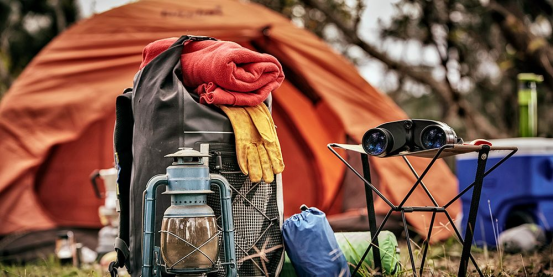

Venturing into the wild offers an unparalleled sense of freedom and connection with nature. However, this beauty comes with inherent risks. True wilderness preparedness isn’t about eliminating all danger, but about having the knowledge, skills, and foresight to manage it effectively. A successful camping trip is a safe one, and that safety begins long before you set foot on the trail. This comprehensive guide covers the critical pillars of wilderness safety: from meticulous campsite selection and emergency first aid to navigating natural hazards like poisonous plants and handling worst-case scenarios that require evacuation. By mastering these principles, you can ensure your adventures remain positive, memorable, and, most importantly, safe.
Proactive Safety: Mastering Campsite Selection
Your choice of campsite is the most critical safety decision you will make each day. A well-chosen site provides shelter and comfort, while a poor one can expose you to environmental dangers, wildlife, and weather-related emergencies. A thorough assessment is not optional; it is a fundamental skill for every camper. This involves looking at the environment from multiple perspectives to identify and mitigate potential threats before they become problems.
Assessing Terrain and Water Risks
The physical landscape of your campsite is a primary consideration. Pay close attention to the ground’s slope and its proximity to water sources, as these factors directly influence your safety during weather events.
- Avoid Low-Lying Areas: Never set up camp in a dry riverbed, a narrow canyon, or a low-lying depression. These areas are natural channels for water and can be subject to flash floods, even if it isn’t raining in your immediate vicinity. Rain from miles away can funnel into these locations with surprising speed and force.
- Check for Water Marks: Look for signs of previous high water levels on rocks and trees. Debris caught in branches well above the current water level is a clear indicator of a flood zone.
- Maintain a Safe Distance: A good rule of thumb is to camp at least 200 feet (about 70 adult steps) away from lakes, rivers, and streams. This not only protects you from flooding but also preserves the fragile riparian ecosystem.
Evaluating Environmental and Biological Hazards
The immediate environment around your tent can harbor hidden dangers. A careful scan of the area for unstable natural features and signs of wildlife is crucial for a peaceful night’s rest.
- Look Up for “Widowmakers”: Before setting up, always check for dead trees, loose branches, or unstable rock formations directly above your intended campsite. High winds or heavy rain can bring these down without warning.
- Inspect for Insect Nests: Check the ground and nearby trees for anthills, hornet nests, or other insect colonies that could be disturbed by your presence.
- Identify Animal Trails: Avoid camping directly on or near well-defined animal trails. These are wildlife highways, and setting up camp on one increases the likelihood of a close encounter. Store food and scented items securely and away from your sleeping area to avoid attracting animals.
Considering Weather and Exposure
Your campsite should offer natural protection from the elements. Understanding how wind, sun, and precipitation will affect your site is key to staying comfortable and safe.
- Wind Protection: Use natural windbreaks like a cluster of trees or a large rock formation to shield your tent from strong gusts. However, avoid camping directly under the largest, most exposed trees during a thunderstorm, as they are prime targets for lightning strikes.
- Sun Exposure: Consider the path of the sun. In hot climates, morning shade can be a welcome relief. In cold weather, positioning your tent to receive the morning sun can help warm it up and dry any condensation.
- Proper Drainage: Choose a site on a slight, almost unnoticeable incline to ensure that rainwater drains away from your tent rather than pooling underneath it. A durable groundsheet or tent footprint is essential for an extra layer of protection.

The Camper’s First Line of Defense: Essential First Aid
Even with careful planning, accidents can happen. A well-stocked first-aid kit and the knowledge to use it are non-negotiable components of your wilderness gear. Basic first-aid skills can stabilize a situation, prevent a minor injury from becoming a major one, and provide critical care until professional help can arrive. Your response in the first few minutes of an emergency can significantly impact the outcome.
Building Your Wilderness First-Aid Kit
A generic store-bought kit is a starting point, but it should be customized for your trip’s duration, group size, and specific environmental risks. A comprehensive kit should include:
- Wound Care: A variety of adhesive bandages, sterile gauze pads, antiseptic wipes, medical tape, antibiotic ointment, and butterfly closures for closing deeper cuts.
- Blister Treatment: Moleskin or other specialized blister pads are essential for hikers.
- Medications: Pain relievers (ibuprofen, acetaminophen), antihistamines for allergic reactions, and any personal prescription medications.
- Tools: Small scissors, tweezers for splinter or tick removal, and a safety razor blade.
- Emergency Supplies: Emergency blanket, CPR mask, and nitrile gloves.
Mastering Basic Emergency Treatments
Knowing how to address common wilderness injuries is a vital skill. Focus on learning these fundamental techniques.
- Controlling Bleeding: For minor cuts, clean the wound with an antiseptic wipe and apply a bandage. For severe bleeding, apply firm, direct pressure to the wound with a sterile gauze pad. Elevate the limb if possible.
- Treating Burns: Immediately cool the burn with cool (not icy) water for at least 10-15 minutes. Cover loosely with a sterile gauze pad. Do not apply butter, oil, or other folk remedies.
- Handling Sprains and Strains: Follow the R.I.C.E. principle: Rest the injured limb, apply Ice (or a cold compress from a stream), use a Compression wrap like an elastic bandage to reduce swelling, and Elevate the limb above the heart.
- Dealing with Bites and Stings: For insect stings, scrape the stinger out with a flat edge (like a credit card) to avoid injecting more venom. Wash the area and apply a cold compress. For suspected snakebites, keep the victim calm and still, position the bite below the heart, and seek immediate medical help. Do not cut the wound or attempt to suck out the venom.

Navigating Nature’s Hidden Dangers: Plant & Food Safety
The natural world provides sustenance, but it also contains hidden threats. Misidentification of plants can lead to severe poisoning, while improper food handling can cause debilitating illness. A cautious and educated approach to what you touch and consume is a cornerstone of wilderness safety.
Principles of Poisonous Plant Avoidance
The most reliable rule for wild plants is simple: If you cannot positively identify a plant with 100% certainty, do not eat it or touch it. Foraging requires expert knowledge and should not be attempted by novices. Instead, focus on recognizing and avoiding common toxic plants in the regions you visit.
- Learn to Identify Regional Threats: Before your trip, research common poisonous plants in the area. Classic examples in North America include Poison Ivy, Poison Oak, and Poison Sumac, all of which contain an oil called urushiol that causes severe skin irritation. Remember the rhymes: “Leaves of three, let it be” and “Hairy vine, no friend of mine.”
- Recognize Symptoms of Poisoning: If contact occurs, symptoms can include rashes, blisters, and intense itching. If a plant is ingested, symptoms can be far more severe, including nausea, vomiting, abdominal cramps, and potentially life-threatening systemic effects.
- Immediate Action for Contact: If you believe you have touched a poisonous plant, wash the affected skin immediately with soap and cool water to remove the oils. If a reaction develops, use calamine lotion or hydrocortisone cream to soothe the itching. Seek medical attention for severe reactions or if the rash is on the face or genitals.
Safe Food and Water Practices
Foodborne illness can quickly ruin a trip. Maintaining strict hygiene is just as important in the backcountry as it is at home.
- Water Purification: Never assume that clear-running water is safe to drink. All water sources in the wild should be considered contaminated with bacteria or protozoa like Giardia. Always treat water by boiling it for at least one minute, using a reliable water filter, or treating it with purification tablets or a UV sterilizer.
- Food Storage: Protect your food from animals and spoilage. Use bear canisters or bear bags where required, and hang your food at least 10-15 feet off the ground and 4 feet away from the tree trunk.
- Campsite Hygiene: Wash your hands thoroughly before handling food. Use a separate set of utensils for raw meat and cooked food to prevent cross-contamination. Clean your cookery well after each meal.

When Things Go Wrong: Emergency Response and Evacuation
Despite the best preparations, serious emergencies can occur. Getting lost, suffering a severe injury, or being trapped by extreme weather requires a calm, methodical response. Your ability to think clearly under pressure is your most valuable asset. The goal is to stabilize the situation and call for help effectively.
The S.T.O.P. Principle: Your First Response
If you find yourself in an emergency, fight the instinct to panic. Instead, immediately apply the S.T.O.P. acronym:
- Stop: Cease all movement. Do not take another step. Sit down, catch your breath, and have a drink of water.
- Think: Calmly assess the situation. What happened? What are your immediate needs (shelter, first aid)? What resources do you have?
- Observe: Look around you. Are there immediate dangers? Are there potential resources like shelter, water, or firewood? Can you identify any landmarks? Check your map and compass.
- Plan: Formulate a simple, logical plan. It might be to administer first aid, build a temporary shelter, or prepare to signal for help. Only after you have a clear plan should you begin to act.
Signaling for Help
If you determine that you need outside assistance, you must be able to signal your location to rescuers. Redundancy is key, so you should have multiple signaling methods available.
- Auditory Signals: The universal signal for distress is three of anything. Three loud blasts on a whistle, three shouts, or three bangs on a tree can carry a long distance.
- Visual Signals: A signal mirror can flash the sun’s reflection at aircraft. At night, a bright flashlight or headlamp can be used. During the day, create a large ‘X’ or ‘SOS’ on the ground with brightly colored clothing or rocks in an open area.
- Fire and Smoke: A fire is both a source of warmth and a powerful signal. During the day, add green leaves or damp wood to your fire to create thick, white smoke that is highly visible from the air.
- Electronic Devices: A personal locator beacon (PLB) or satellite messenger is the most reliable way to send a distress signal with your exact GPS coordinates to emergency services, even without cell reception.
Emergency Action and Evacuation
Before every trip, you must create an Emergency Action Plan and leave it with a reliable contact person. This plan should include your detailed itinerary, expected return time, group members, and gear information. Instruct this person to contact authorities if you do not return by a specified time.
The decision to self-evacuate or stay put and wait for rescue is critical. If the injury is minor and you know your precise location and the route out, self-evacuation may be possible. However, if you are lost, the injury is severe, or the weather is dangerous, the safest course of action is almost always to stay in one place. This makes it far easier for search and rescue teams to find you.
Frequently Asked Questions (FAQ)
- Q1: What are the absolute must-haves in a wilderness first-aid kit?
- Beyond the basics like bandages and antiseptic wipes, every kit should contain blister treatment (moleskin), pain relievers (ibuprofen), antihistamines for allergic reactions, medical tape, and a pair of quality tweezers for removing splinters and ticks. For more remote trips, add a tourniquet, a SAM splint, and a CPR mask.
- Q2: How can I tell if a water source is safe to drink from?
- You can’t. There is no reliable visual way to determine if water is free from microscopic pathogens like Giardia or Cryptosporidium. You must assume all wild water sources are contaminated. Always treat water by boiling it for at least one minute, using a reputable water filter with a pore size of 0.2 microns or smaller, or using chemical purification tablets according to their instructions.
- Q3: What is the single biggest mistake campers make regarding safety?
- The most common and dangerous mistake is a lack of preparation, which often stems from underestimating the wilderness. This includes not researching the area, not checking the weather forecast, not carrying the “Ten Essentials” (navigation, sun protection, insulation, illumination, first aid, fire, repair kit, nutrition, hydration, emergency shelter), and not leaving a detailed trip plan with someone back home.
- Q4: How do I properly signal for help if I don’t have a phone or GPS?
- Rely on universal, low-tech signals. The rule of three is key: three whistle blasts, three flashes of a light, or three distinct piles of rocks or branches. A signal mirror is highly effective for catching the attention of aircraft during the day. If you have a fire, creating large amounts of smoke by adding green vegetation is one of the most visible signals.
- Q5: What should I do if I encounter a large animal like a bear or moose?
- Do not run, as this can trigger a chase response. Make yourself look as large as possible, make noise by talking calmly and firmly, and back away slowly. Never turn your back on the animal. Avoid direct eye contact, which can be seen as a challenge. If it’s a bear, the response differs by species (e.g., play dead for a grizzly, fight back for a black bear), so it’s critical to research the wildlife specific to your destination.
Safety note: This article is for general information only. It is not medical, training, emergency, survival, or professional safety advice. Conditions, equipment needs, and personal health factors vary, so check current local guidance and consult qualified professionals before acting.


