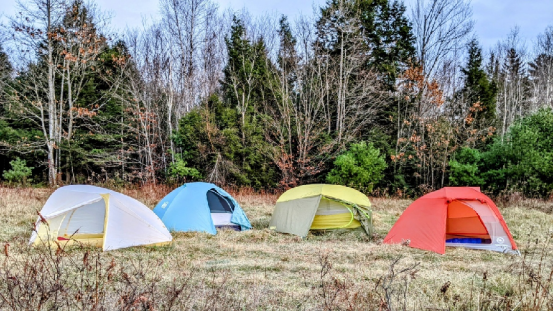

Wild camping offers an unparalleled sense of freedom and connection with nature. However, the success and safety of your adventure depend almost entirely on careful planning. The three pillars of this preparation are choosing the right season, selecting a suitable campsite, and being prepared for any weather condition. A poor choice in any of these areas can turn a dream trip into a challenging ordeal. This guide provides a comprehensive framework for making informed decisions, ensuring your wild camping experience is memorable for all the right reasons.
We will explore the unique characteristics of camping in each season, delve into the critical criteria for selecting the perfect spot to pitch your tent, and equip you with the knowledge to handle whatever Mother Nature throws your way. By integrating these three elements, you can create a holistic plan for a safe, comfortable, and rewarding journey into the wild.
Choosing the Best Season for Your Wild Camping Adventure
The time of year you choose to go wild camping fundamentally shapes your entire experience, influencing everything from the gear you need to the challenges you’ll face. Each season presents a unique set of advantages and disadvantages that cater to different preferences and skill levels.
Spring Camping: The Season of Rebirth
Spring (March to May) is a time of awakening in nature, making it a magical time to be outdoors. Temperatures are mild, wildlife is active, and the landscape is bursting with life. However, this season is also characterized by its unpredictability.
- Advantages: Fewer crowds than in summer, blooming flora, and active wildlife provide excellent photography opportunities. The longer daylight hours compared to winter are also a significant plus.
- Challenges: The weather can be highly volatile, with a mix of sun, rain, and even late-season snow. The ground is often wet and muddy from snowmelt, and insects like ticks and mosquitoes begin to emerge.
- Gear Considerations: A reliable waterproof tent and rain gear are non-negotiable. Layered clothing is essential to adapt to fluctuating temperatures. A good quality sleeping pad will provide insulation from the cold, damp ground.
Summer Camping: Maximizing Daylight and Warmth
Summer (June to August) is the most popular camping season for good reason. It offers long, warm days, lush green scenery, and generally stable weather. This makes it ideal for beginners and those who enjoy activities like swimming and stargazing on clear nights.
- Advantages: Warm temperatures allow for lighter gear and clothing. Extended daylight provides more time for hiking and setting up camp. It’s the most accessible season for all skill levels.
- Challenges: Popular areas can be crowded, diminishing the sense of solitude. Biting insects are at their peak, and there’s a risk of dehydration and sunburn during heatwaves.
- Gear Considerations: A tent with good ventilation is crucial. Lightweight sleeping bags, insect repellent, sunscreen, and a reliable water filter or purification system are must-haves.
Autumn Camping: A Symphony of Colors and Cooler Temperatures
Autumn (September to November) is a favorite among many experienced campers. The landscape transforms with vibrant colors, the air is crisp, and the summer crowds have dispersed. It offers a perfect balance of pleasant conditions and solitude.
- Advantages: Stunning scenery, fewer insects, and cooler, more comfortable hiking temperatures. The feeling of tranquility is often greater than in the bustling summer months.
- Challenges: Daylight hours shorten significantly, and temperatures can drop sharply, especially at night. The weather becomes more unpredictable, with an increased chance of rain and wind.
- Gear Considerations: A three-season tent is recommended. Warmer sleeping bags and insulated clothing layers are necessary to combat the cold nights. A reliable headlamp or lantern is essential for the longer evenings.
Winter Camping: The Ultimate Test of Skill and Serenity
Winter (December to February) presents the most significant challenges but also offers the most profound rewards. A snow-covered landscape provides a unique and silent beauty, with a level of solitude unmatched in other seasons.
- Advantages: Complete solitude, no insects, and the unique beauty of a frozen world. It’s a true test of your survival skills and offers an immense sense of accomplishment.
- Challenges: Extreme cold, short daylight hours, and the risk of hypothermia and frostbite. Navigation can be difficult in deep snow, and it requires specialized, expensive gear.
- Gear Considerations: This is for experienced campers only. A four-season tent designed to handle snow loads is mandatory. A winter-grade sleeping bag (rated to 0°F or lower), a high R-value insulated sleeping pad, a liquid-fuel stove (canister stoves can fail in the cold), and snow gear are all critical.

Mastering the Art of Campsite Selection
Once you’ve chosen your season, the next critical step is selecting the perfect spot to pitch your tent. A well-chosen campsite enhances comfort, safety, and the overall enjoyment of your trip. The ideal site is not just found; it’s identified through careful observation and adherence to key principles.
Foundational Principles: The Non-Negotiables of Site Choice
Before you even begin assessing the terrain, there are several overarching rules to follow. These principles ensure your safety and minimize your impact on the environment.
- Legality and Regulations: Always research and confirm that wild camping is permitted in your chosen area. National parks, private land, and conservation areas often have specific rules or prohibitions.
- Leave No Trace: A core tenet of wild camping is to leave the environment exactly as you found it, if not better. This means camping on durable surfaces, packing out all trash, and respecting wildlife.
- Water Source Proximity: A reliable source of fresh water is essential. Aim to camp within a reasonable walking distance of a river, stream, or lake. However, for environmental and safety reasons, always pitch your tent at least 200 feet (about 70 adult steps) away from the water’s edge to protect riparian ecosystems and avoid low-lying, damp areas.
Evaluating the Terrain: Ground, Drainage, and Shelter
The physical characteristics of a potential campsite are paramount for a comfortable night’s sleep. A poor choice here can lead to a sleepless night or a flooded tent.
- Level Ground: This is the most crucial factor for comfort. A flat surface prevents you from sliding around in your tent all night. Before setting up, clear the area of any sharp rocks, sticks, or pinecones that could damage your tent floor.
- Good Drainage: Never camp in a depression or a dry riverbed. These areas can quickly flood during a rainstorm. Look for slightly elevated ground that will allow water to drain away from your tent naturally.
- Natural Shelter: Use the landscape to your advantage. A spot sheltered by a cluster of trees or a rock outcropping can provide a crucial barrier against strong winds. This not only makes for a quieter night but also reduces stress on your tent.
Safety and Hazard Assessment
A constant awareness of your surroundings is key to a safe wild camping experience. Before you unpack, perform a thorough 360-degree scan of the area for potential dangers.
- The “Widowmakers”: Look up! Avoid camping directly under large, dead branches or unstable-looking trees. Strong winds can bring these down without warning.
- Flash Flood Zones: As mentioned, stay out of narrow canyons, ditches, and dry washes. A storm miles upstream can send a wall of water down with little to no notice.
- Wildlife Activity: Look for signs of heavy animal traffic, such as game trails or bear scat. While seeing wildlife is often a goal, you don’t want to pitch your tent in the middle of their highway. Store food and scented items securely and away from your sleeping area.

Weather Preparedness: Adapting to Nature’s Moods
Weather is the most dynamic and often unpredictable element of wild camping. A sunny day can turn into a torrential downpour in minutes. Being prepared with the right gear and knowledge to handle various conditions is not just about comfort—it’s about safety. Always check the forecast before you leave, but be prepared for it to be wrong.
Battling the Rain: Staying Dry and Comfortable
Getting wet in the backcountry can be miserable and dangerous, potentially leading to hypothermia. Your primary goal is to keep yourself, your gear, and your shelter dry.
- Campsite Selection: Re-emphasizing the point, choose a site with excellent drainage on high ground. Avoid low-lying areas where water will pool.
- Shelter Setup: Pitch your tent tautly to prevent water from pooling on the rainfly. If possible, set it up during a lull in the rain. Use a footprint or ground tarp that is slightly smaller than your tent floor to prevent water from channeling underneath.
- Gear Management: Keep wet gear outside the inner tent, in the vestibule. Pack a dry bag for essential items like your sleeping bag and spare clothes. A lightweight tarp can be used to create an additional sheltered area for cooking and relaxing.
Conquering the Wind: Securing Your Shelter
Strong winds can flatten a poorly pitched tent and make for a very noisy, unsettling night. Proper site selection and setup are your best defenses.
- Campsite Selection: Find a natural windbreak, such as a thicket of trees, a large boulder, or the leeward side of a hill. Avoid exposed ridgelines and wide-open plains if high winds are forecasted.
- Shelter Setup: Orient the narrowest end of your tent into the wind to minimize its profile. Use all available guy lines and stake them out securely. If the ground is soft, use larger stakes or tie guy lines to rocks or trees for extra stability.
Managing Extreme Heat: Staying Cool and Hydrated
Summer camping can bring intense heat, posing risks of dehydration, heat exhaustion, and sunstroke. Proactive management is key.
- Campsite Selection: Look for a site that will offer shade, especially from the afternoon sun. A spot near a breeze-channeling valley or a body of water can also be cooler.
- Activity Planning: Conduct strenuous activities like hiking during the cooler parts of the day—early morning and late evening. Rest in the shade during the peak heat of midday.
- Hydration and Gear: Drink water consistently, even before you feel thirsty. Use a tent with ample mesh for ventilation. Wear light-colored, loose-fitting clothing to reflect sunlight.
Embracing the Cold: Insulation and Warmth Strategies
Cold weather, whether in winter or at high altitudes, requires a systematic approach to warmth. The primary danger is hypothermia, a dangerous drop in body temperature.
- The Layering System: Dress in multiple layers: a moisture-wicking base layer, an insulating mid-layer (like fleece or down), and a waterproof/windproof outer shell. This allows you to regulate your temperature by adding or removing layers as needed.
- Sleep System: Your sleeping bag and pad are your primary defense against cold at night. Ensure your sleeping bag is rated for the expected temperatures and use an insulated sleeping pad with a high R-value to prevent heat loss to the cold ground.
- Nutrition and Hydration: Your body burns more calories to stay warm in the cold. Eat high-energy foods and stay hydrated. A warm drink before bed can help raise your core temperature.

Advanced Considerations for a Successful Trip
Beyond the basics of season, site, and weather, a few advanced considerations can elevate your wild camping experience from good to great. These involve a deeper understanding of your impact and a more holistic approach to planning.
Integrating Your Plan: A Holistic Approach
The most skilled campers understand that season, site, and weather are not isolated variables. They are deeply interconnected. When planning, think about how they influence each other.
- Seasonal Site Choice: In summer, a site with morning shade might be perfect. In winter, that same site could be dangerously cold; you would instead seek a spot that gets maximum sun exposure to melt frost and warm your tent.
- Weather-Based Gear for the Season: While autumn might generally call for a three-season tent, if a severe windstorm is in the forecast for your specific dates, you might consider bringing extra-sturdy stakes or choosing a more sheltered location than you otherwise would.
Wildlife Awareness and Coexistence
Respecting wildlife is a fundamental part of the wild camping ethos. This means observing from a distance and ensuring your presence does not negatively affect their behavior. Proper food storage is the most critical aspect of this. Never leave food unattended or inside your tent. Use a bear canister in designated areas, or properly hang a food bag from a tree away from your campsite.
Navigation and Emergency Preparedness
No matter how well you plan, things can go wrong. Always carry a map and compass (and know how to use them), even if you have a GPS device. Batteries can die, but a compass always works. Inform someone of your exact route and expected return time. Carry a well-stocked first-aid kit and have a clear understanding of how to handle common injuries and emergencies in the backcountry.
Frequently Asked Questions (FAQ)
- What is the most important factor when choosing a campsite?
- While all factors are important, safety is the absolute priority. This means choosing a site that is free from natural hazards like “widowmakers” (dead branches), potential flash floods, and avalanches in winter. After safety, finding level ground for a comfortable sleep is the next most critical element.
- How do I deal with insects like mosquitoes and ticks?
- Insect management is crucial, especially in spring and summer. Use an EPA-approved insect repellent containing DEET or Picaridin on exposed skin. Treat your clothing and gear with permethrin for long-lasting protection. Choose a campsite that gets a breeze, as this naturally deters mosquitoes. Always perform a thorough tick check on your body after hiking through brush or tall grass.
- What does the “R-value” on a sleeping pad mean?
- The R-value measures a sleeping pad’s capacity to resist heat flow—in other words, its level of insulation. The higher the R-value, the better it will insulate you from the cold ground. For summer camping, an R-value of 1-3 is often sufficient. For three-season use, look for 3-5. For winter camping, an R-value of 5 or higher is essential to prevent heat loss and stay warm.
- Is it safe to drink water directly from a stream or river?
- No, you should never drink untreated water from a natural source, no matter how clean it looks. Even the most pristine-looking water can contain harmful bacteria, viruses, and protozoa like Giardia that can cause severe gastrointestinal illness. Always treat water by boiling, filtering, or using chemical purification tablets before drinking.
- How can I practice Leave No Trace principles effectively?
- The core of Leave No Trace is to minimize your impact. This includes planning ahead and preparing, traveling and camping on durable surfaces (like rock or established trails), disposing of all waste properly (pack it in, pack it out), leaving what you find (don’t take rocks or plants), minimizing campfire impacts (use a stove instead), respecting wildlife from a distance, and being considerate of other visitors.
Safety note: This article is for general information only. It is not medical, training, emergency, survival, or professional safety advice. Conditions, equipment needs, and personal health factors vary, so check current local guidance and consult qualified professionals before acting.


