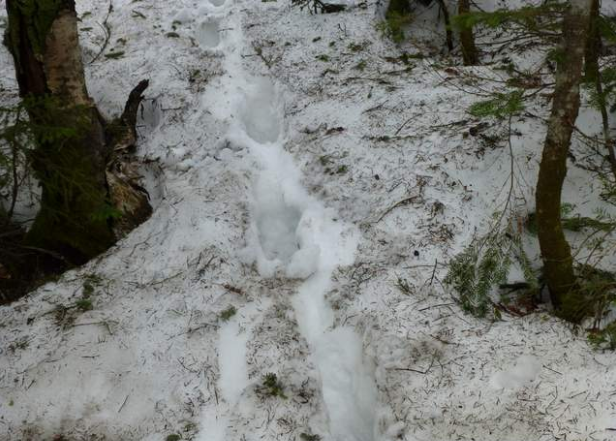

Spring is perhaps the most challenging season for hikers. As the winter ice begins to thaw and the rainy season takes hold, trails transform into a complex mosaic of deep mud, slick rock, and lingering snow patches. Choosing between hiking boots and trail runners is no longer just a matter of preference; it is a technical decision that impacts your safety, comfort, and pace.
Understanding Spring Hiking Terrain and Conditions
Before selecting footwear, one must understand the “The Why” behind seasonal requirements. Spring conditions are characterized by high moisture content and temperature fluctuations. Unlike the dry, stable trails of summer, spring paths often feature “post-holing” conditions where feet sink into soft snow or deep mud.
The Impact of Snowmelt and Mud
Snowmelt creates runoff that turns dry paths into seasonal streams. This requires footwear with aggressive lug patterns to maintain traction. Furthermore, the freeze-thaw cycle can make morning trails icy and afternoon trails boggy, necessitating a versatile outsole compound that remains flexible in cold temperatures.

Hiking Boots: Maximum Protection and Stability
Traditional hiking boots remain the gold standard for many spring adventurers due to their structural integrity. When carrying a heavy pack over uneven, muddy terrain, the high-top design of a boot provides essential ankle support, reducing the risk of rolls and strains.
Waterproofing and Thermal Insulation
Most spring-appropriate boots feature a waterproof membrane like Gore-Tex. In deep mud or shallow stream crossings, this barrier is invaluable. Additionally, the thicker materials used in boots provide a layer of insulation against the lingering chill of spring mountain air.
- Pros: Superior ankle stability, excellent waterproofing, high durability.
- Cons: Heavier weight, longer break-in period, limited breathability.

Trail Runners: Speed and Breathability
In recent years, many hikers have shifted toward trail runners for spring excursions. The philosophy here is “light and fast.” By reducing the weight on your feet, you significantly decrease fatigue over long distances.
The “Dry Fast” Philosophy
Unlike waterproof boots, which can take days to dry once submerged, non-waterproof trail runners are designed to drain water and dry quickly through movement. This is often preferred by high-mileage hikers who accept that their feet will get wet but want to avoid the “swamp foot” effect of moisture trapped inside a waterproof boot.
| Feature | Hiking Boots | Trail Runners |
|---|---|---|
| Weight | Heavy (3-4 lbs) | Light (1-2 lbs) |
| Ankle Support | High / Rigid | Low / Flexible |
| Drying Time | Slow (24-48 hours) | Fast (2-4 hours) |
| Protection | Excellent (Toe/Ankle) | Moderate (Toe cap only) |
Technical Checklist for Spring Footwear Selection
Regardless of the style you choose, ensure your spring footwear meets these technical requirements to handle the specific demands of the season:
- Lug Depth: Minimum 5mm lugs for gripping mud and loose soil.
- Gusseted Tongue: To prevent debris and water from entering through the lace area.
- Vibram or Megagrip Outsole: For superior friction on wet, slippery rocks.
- TPU Shank: Provides underfoot protection against sharp rocks and roots.
Expert Advice: The Hybrid Approach
Many professional guides recommend a “Pro Tip” for spring: use mid-height boots. These offer a compromise, providing more support than a runner but less bulk than a full mountaineering boot. Additionally, pairing trail runners with waterproof gaiters can provide the protection of a boot with the agility of a runner.
Frequently Asked Questions (FAQ)
- Should I choose Gore-Tex for spring hiking?
- Gore-Tex is excellent for muddy trails and shallow puddles. However, if you expect to submerge your feet entirely in deep streams, non-waterproof shoes that dry quickly may be a better choice to avoid trapping water inside.
- How do I prevent blisters in wet spring conditions?
- Wet skin is more prone to friction. Use moisture-wicking synthetic or wool socks (never cotton) and consider applying a specialized anti-chafe balm to high-friction areas before you start your hike.
- Are trail runners safe for rocky spring terrain?
- Yes, provided they have a “rock plate” in the midsole. This hardened layer protects the bottom of your feet from sharp stones, which are often hidden under mud or leaves in the spring.
- How do I maintain my boots after a muddy spring hike?
- Never dry boots next to a direct heat source, as this can crack leather and damage adhesives. Instead, remove the insoles, stuff the boots with newspaper, and let them air dry in a well-ventilated area.
- Do I need different traction for spring snow?
- If the trail has packed ice or steep snow sections, neither boots nor runners are enough. You should carry “micro-spikes” that can be slipped over any footwear for immediate mechanical grip.


