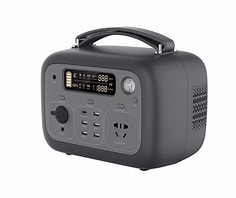

Understanding Portable Power Station Technology
Portable power stations represent a significant leap forward in mobile energy storage. Unlike traditional gas generators, these units utilize high-density lithium-ion or LiFePO4 battery banks paired with sophisticated power inverters to provide clean, silent, and emission-free electricity. Understanding the core components—the battery, the inverter, and the charge controller—is essential for any user looking to transition toward sustainable off-grid power.
The Shift from Gas to Electric
Traditional generators are loud, require volatile fuel, and demand frequent maintenance. Modern power stations offer a “plug-and-play” experience, eliminating the need for fuel storage and reducing the carbon footprint of your campsite or emergency backup setup.
Key Metrics for Evaluating Capacity and Performance
When selecting a unit, consumers often focus solely on Watt-hours (Wh), but true performance is defined by the balance between capacity and output. Capacity (Wh) determines how long your devices will run, while the Inverter Rating (Watts) determines what devices you can actually power simultaneously.
Capacity vs. Output: The Critical Distinction
- Watt-hours (Wh): The total amount of energy stored in the battery. Think of this as the size of your fuel tank.
- Running Watts: The continuous power output the unit can sustain for appliances like laptops or lights.
- Surge Watts: The peak power the unit can handle for a few seconds to start inductive loads like refrigerators or power tools.
| Appliance Type | Typical Wattage | Power Station Requirement |
|---|---|---|
| Smartphone | 5-10W | Entry-level (100Wh) |
| Laptop | 50-100W | Mid-range (500Wh) |
| Portable Fridge | 40-60W | High-capacity (1000Wh+) |
| Coffee Maker | 800-1500W | Heavy-duty (2000Wh+) |
Strategic Selection Criteria and Pro Tips
Selecting the right station requires an audit of your specific energy habits. Consider the weight-to-power ratio if you are backpacking, or the expandability options if you are building a home backup system. Always prioritize units that feature LiFePO4 battery chemistry, as they offer significantly longer cycle lives compared to traditional NMC batteries.
Expert Tips for Long-Term Battery Health
- Avoid deep discharging your battery to 0% frequently; aim to keep it between 20% and 80% for maximum longevity.
- Store your unit in a temperature-controlled environment; extreme heat is the primary enemy of lithium-ion health.
- Ensure your solar panels match the MPPT charge controller input specifications to maximize charging efficiency.
Frequently Asked Questions (FAQ)
- How long will a portable power station last?
- The lifespan depends on the battery chemistry. LiFePO4 batteries typically last 2,500 to 3,500 cycles, while NMC batteries usually provide 500 to 800 cycles before capacity drops to 80%.
- Can I use a power station while it is charging?
- Yes, most modern units support “pass-through” charging, allowing you to charge the unit via solar or wall outlet while simultaneously powering your devices.
- How do I calculate what size I need?
- Add up the total wattage of all devices you intend to run at once. Multiply that by the number of hours you need them to run to get your required Watt-hours (Wh).
- Are these units safe for indoor use?
- Absolutely. Because they do not emit carbon monoxide or exhaust fumes, they are perfectly safe for use inside tents, RVs, or homes during power outages.


