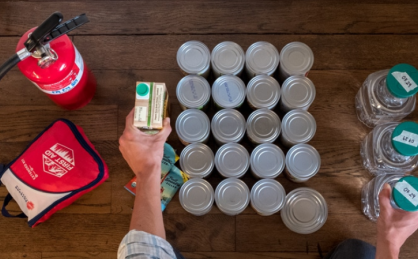

The Critical Importance of Emergency Kit Maintenance
An emergency kit, often referred to as a “go-bag” or “bug-out bag,” is a cornerstone of personal and family preparedness. Its purpose is to provide essential supplies during a crisis when normal services are disrupted. However, the efficacy of such a kit is entirely dependent on its condition and completeness. An unmaintained emergency kit is, at best, unreliable and, at worst, a false sense of security. Regular maintenance ensures that when disaster strikes, your kit is not just a collection of items, but a dependable lifeline.
The “why” behind consistent maintenance is multifaceted. Firstly, supplies have expiration dates. Food, water, medications, and batteries degrade over time, rendering them useless or even harmful. Secondly, items can be used, lost, or damaged. A quick check might reveal that a critical item like a flashlight is no longer working, or that a crucial piece of clothing has been misplaced. Thirdly, needs change. As families grow or individual circumstances evolve, the contents of an emergency kit may need to be adjusted to remain relevant and sufficient.
Proactive maintenance transforms your emergency kit from a passive object into an active component of your preparedness strategy. It’s an investment in peace of mind, knowing that you’ve taken tangible steps to safeguard yourself and your loved ones against the uncertainties of emergencies.

Establishing a Regular Maintenance Schedule
The frequency of emergency kit maintenance is not a one-size-fits-all answer. It depends on several factors, including the type of supplies, the environment in which the kit is stored, and the specific risks faced by an individual or family. However, establishing a consistent schedule is paramount.
Quarterly Checks: The Foundation of Reliability
A quarterly check is an excellent starting point for most emergency kits. This involves a quick review of the most critical items that are prone to failure or have a shorter shelf life.
- Batteries: Check all battery-powered devices and replace batteries if they are more than six months old, even if they still show a charge. Corrosion can also be a sign that replacement is needed.
- Food and Water: Inspect the expiration dates of all food and water supplies. Rotate older items to the front of your pantry and replace them with newer stock.
- Medications: Review prescription and over-the-counter medications for expiration dates. Ensure any necessary medical supplies are present and in good condition.
- First-Aid Supplies: Check for depleted items, such as bandages or antiseptic wipes, and restock as needed. Ensure sterile packaging remains intact.
Semi-Annual and Annual Deep Dives
Beyond quarterly checks, a more thorough inspection should occur at least twice a year, with a comprehensive overhaul annually.
- Semi-Annual: This is a good time to test any electronic devices, such as radios or GPS units, to ensure they are functioning correctly. Check clothing for wear and tear and assess the condition of the kit bag itself.
- Annual: A full inventory and replenishment is crucial here. Empty the entire kit, clean the bag, and systematically check every item. This is also the ideal time to adjust contents based on changing needs or updated preparedness recommendations.
Environmental Considerations
The storage location of your emergency kit significantly impacts its longevity. Kits stored in extreme temperatures, high humidity, or direct sunlight will require more frequent checks. For instance, batteries can leak, and food can spoil faster in hot conditions. Conversely, a climate-controlled environment can extend the shelf life of many items.
Detailed Procedures for Specific Item Maintenance
Maintaining an emergency kit involves more than just looking at expiration dates. Each category of item requires specific attention to ensure its efficacy.
Food and Water: Beyond the Expiration Date
While expiration dates are a primary guide, visual inspection is also key. Look for swollen cans, leaks, or any signs of spoilage in packaged foods. For water, ensure the containers are sealed and haven’t been compromised. Consider long-term water purification methods as a supplement or alternative to bottled water.
Medications and First-Aid: The Lifesaving Components
For medications, always adhere to storage instructions on the packaging. If your kit is stored in a vehicle, consider a temperature-controlled case for critical medications. For first-aid supplies, ensure that any sterile packaging remains sealed. Re-stocking is vital; don’t wait until you’re in an emergency to realize you’re out of gauze.
Tools and Technology: Ensuring Functionality
Flashlights, radios, and multi-tools need to be functional. Beyond checking batteries, test the switches and mechanisms. For radios, ensure you have spare batteries or a reliable charging method. For multi-tools, check for rust or damage to the blades and tools.
Clothing and Shelter: Adaptability is Key
Clothing should be appropriate for your local climate and potential disaster scenarios. Ensure items are clean, dry, and free of holes or tears. Consider adding or removing layers based on seasonal changes and updated risk assessments.
Pro Tips for Enhanced Emergency Kit Management
Elevating your emergency kit from basic to exceptional involves smart strategies and foresight. Here are some expert tips:
- Create an Inventory List: Keep a detailed, laminated inventory list inside your kit. This makes checks faster and ensures you don’t forget anything when replenishing.
- Itemize by Category: Outdoor Adventure Gear
- Include Personal Documents: Laminate copies of important documents like identification, insurance policies, and emergency contact lists. Store them in a waterproof bag.
- Consider a “Family Needs” Addendum: For families, create a supplementary section or a separate small kit for specific needs, such as infant supplies, pet food, or specialized medical equipment.
- Practice with Your Kit: If feasible, periodically practice using some of the items in your kit. This builds familiarity and confidence. For example, set up a basic shelter or use a water filter.
- Stay Informed on Local Risks: Update your kit based on evolving local emergency plans and potential threats (e.g., increased wildfire risk might necessitate air filters).
Emergency Kit Maintenance Checklist
Use this checklist to guide your maintenance routine:
- Quarterly:
- Check all batteries (replace if over 6 months old or showing signs of corrosion).
- Inspect expiration dates on food and water. Rotate stock.
- Verify all medications are current and properly stored.
- Replenish used or expired first-aid supplies.
- Semi-Annually:
- Test all electronic devices (radios, flashlights, GPS).
- Examine clothing for wear and tear.
- Inspect the integrity of the kit bag itself.
- Annually:
- Conduct a full inventory of all items.
- Clean the kit bag thoroughly.
- Replace any items that have been used, are expired, or are showing signs of wear.
- Update inventory list with any changes.
- Assess and adjust contents based on current needs and risks.
Frequently Asked Questions (FAQ)
- How often should I check my emergency kit?
- A good rule of thumb is to perform a quick check quarterly, a more thorough inspection semi-annually, and a complete overhaul and replenishment annually. However, if your kit is stored in an extreme environment (hot, humid), you may need to check it more frequently.
- What are the most common items that expire in an emergency kit?
- The most common items that expire are food, water, medications, and batteries. Food and water have definitive expiration dates. Batteries can lose their charge over time and can also leak corrosive material, while medications can lose their potency or become less effective after their expiration date.
- Can I store my emergency kit in my car?
- Yes, storing an emergency kit in your car can be very beneficial, especially for roadside emergencies. However, be mindful of extreme temperature fluctuations, which can degrade supplies faster. Consider using temperature-resistant containers for sensitive items like medications and batteries.
- What is the difference between a 72-hour kit and a long-term emergency kit?
- A 72-hour kit (or “go-bag”) is designed to sustain you for the critical first three days of an emergency when immediate evacuation might be necessary. A long-term emergency kit is for situations where services may be disrupted for an extended period, requiring more substantial supplies of food, water, and other essentials.
- How can I ensure my medications remain effective in my emergency kit?
- Always store medications according to their packaging instructions, typically in a cool, dry place away from direct sunlight. If storing in a car or a potentially hot environment, consider using a temperature-controlled pouch or case. Regularly check expiration dates and replace them proactively. If you rely on specific prescription medications, consult with your doctor about obtaining extra supplies for your emergency kit.
Safety note: This article is for general information only. It is not medical, training, emergency, survival, or professional safety advice. Conditions, equipment needs, and personal health factors vary, so check current local guidance and consult qualified professionals before acting.


