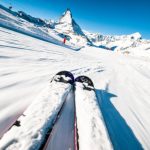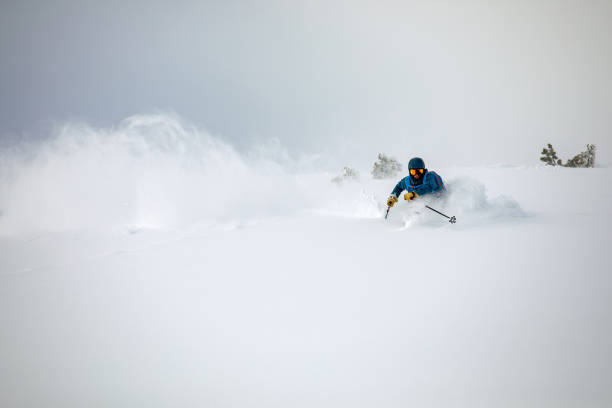

Extreme snow sports are full of excitement and challenges, but whether it’s alpine skiing, glacier climbing, or snow exploration, they all carry significant risks. Mastering safety rules and basic first aid techniques not only protects you but can also save lives in critical moments. This article will provide a guide to mountain survival in the snow, covering equipment, protection, risk awareness, and emergency response.
1. Equipment is the first line of defense for safety
In extreme winter sports, proper equipment is crucial for safety and comfort. First and foremost, helmets, goggles, and gloves are essential basic protective gear. A helmet protects the head in the event of a fall or collision, while goggles not only shield against wind and snow but also protect against UV rays. Gloves should be warm, waterproof, and flexible to ensure agility in extreme cold.
Secondly, specialized equipment such as snowshoes, trekking poles, and ropes are crucial for safe operation. Well-fitting snowshoes reduce the risk of falls, trekking poles aid balance and reduce pressure on the knees, and ropes provide essential safety during glacier and steep slope exploration. When choosing equipment, prioritize quality, comfort, and certifications over simply focusing on lightness or appearance.
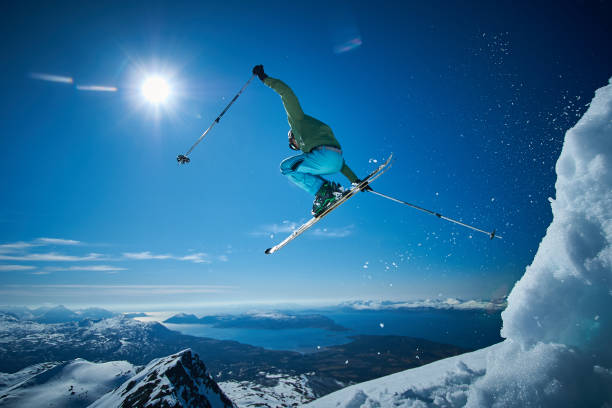
2. Protection Awareness and Risk Assessment
Having the right equipment is just the beginning; risk awareness is the key to saving lives. Snowy conditions are unpredictable, with sudden weather changes, avalanches, and crevasses all presenting potential threats. Before setting off, be sure to check the weather forecast, assess the stability of the snow, and plan a safe route.
In areas prone to avalanches, carry an avalanche detector, probe, and shovel and learn how to use them. Maintaining a safe distance between groups and avoiding lingering on dangerous slopes are effective ways to reduce accidents. Remember, extreme sports are not about fighting alone; teamwork and mutual supervision are the guarantee of safety.
3. Psychological preparation and self-management
Snowy mountain environments present not only physical challenges but also mental challenges. Fear, fatigue, and cold can easily impair judgment. Mastering basic mental training techniques is crucial: staying calm, controlling your breathing, breaking down tasks, and tackling challenges in stages can help you make rational decisions in high-pressure situations.
In addition, properly planning your physical strength and rest time, and carrying hot drinks and high-calorie foods with you can prevent hypothermia while maintaining alertness and responsiveness. Mental preparation and physical management complement each other and are essential for a safe adventure.
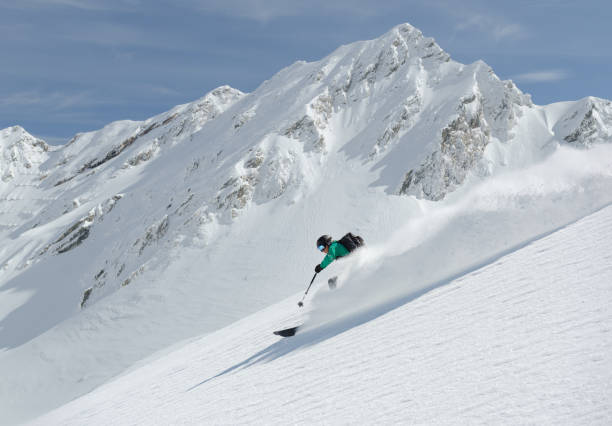
IV. First aid skills and emergency treatment
Even with all the preparation, accidents can still happen. Therefore, it’s crucial to master basic first aid and emergency response skills. Common accidents include frostbite, sprains, fractures, and burial in avalanches.
In the event of frostbite, immediately remove yourself from the cold environment and warm the injured area with warm water or body temperature, avoiding direct friction. For sprains and fractures, immediately immobilize the injured area and, if conditions permit, evacuate to a safe area as soon as possible. In the event of an avalanche, remaining calm, immediately using detectors and probes to locate buried people, and calling for help are crucial to surviving.
In addition to mastering basic first aid knowledge, carrying a first aid kit, communication equipment and a locator with you can greatly improve your ability to save yourself and others in the event of an accident.
5. Summary: Safety and enjoyment go hand in hand
The allure of extreme snow sports lies in the challenge and connection to nature, but safety is always paramount. Choosing the right equipment, developing a sense of risk, being mentally prepared, and mastering first aid techniques will ensure you enjoy the thrill of the mountains while maintaining your safety. Remember, survival in the snow isn’t just about skill; it’s about attitude—respect nature, proceed with caution, and every step counts.
Safety note: This article is for general information only. It is not medical, training, emergency, survival, or professional safety advice. Conditions, equipment needs, and personal health factors vary, so check current local guidance and consult qualified professionals before acting.