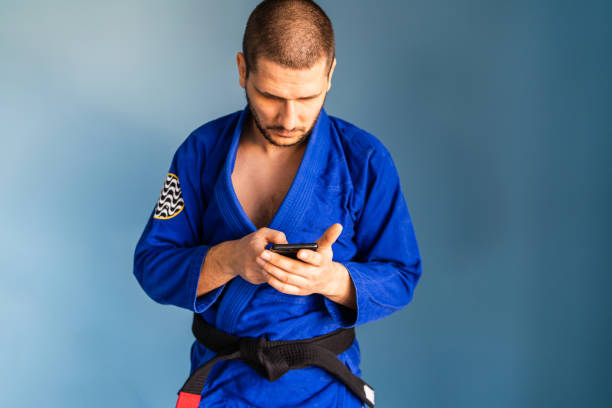

The ancient dojo, a place of discipline, tradition, and physical mastery, is undergoing a profound transformation. For centuries, the path to martial arts proficiency was paved with repetitive practice, direct mentorship, and the passing down of knowledge from master to student. Today, that path is intersecting with the digital superhighway. Technology is no longer just a tool for communication or entertainment; it has become an integral part of the modern martial artist’s journey. This guide explores the digital revolution in martial arts, examining how innovation is reshaping training methodologies, enhancing accessibility, and posing new questions about the future of these timeless disciplines.
The Digital Dojo: How Technology is Reshaping Martial Arts Training
The core of martial arts practice has always been physical repetition and refinement of technique. Technology is not replacing this core but augmenting it with unprecedented levels of precision and feedback. The modern dojo now has access to tools that can analyze movement, track progress, and simulate scenarios in ways previously unimaginable.
Wearable Sensors and Performance Analytics
One of the most significant advancements is the integration of wearable technology. Small, lightweight sensors placed on the wrists, ankles, or torso can track the velocity of a punch, the angle of a kick, or the balance during a complex form. This data is then fed into an application that provides immediate, objective feedback. A practitioner can see exactly how their force generation changes with a slight shift in hip rotation, a level of detail that even a seasoned master might struggle to articulate.
AI-Powered Form Correction
Artificial intelligence is taking this a step further. Using a simple smartphone camera, AI-driven applications can analyze a practitioner’s movements in real-time. By comparing the user’s form against a database of expert-level techniques, the AI can provide instant corrections on posture, alignment, and execution. This serves as a tireless virtual coach, perfect for solo practice between classes.
Virtual and Augmented Reality Sparring
Virtual Reality (VR) and Augmented Reality (AR) are revolutionizing sparring and situational training. VR headsets can immerse a user in a simulated environment, allowing them to practice against a variety of virtual opponents with different styles and skill levels. This provides a safe yet challenging way to improve reaction time and decision-making under pressure without the risk of injury associated with live sparring.

Beyond the Physical: The Rise of Online Learning and Global Communities
Technology’s impact extends far beyond the physical training floor. The internet has democratized access to martial arts knowledge, breaking down geographical barriers and connecting practitioners from around the world.
The Proliferation of Online Academies
High-quality instruction is no longer limited to those who live near a reputable dojo. World-renowned masters now offer comprehensive online curriculums, complete with video lessons, tutorials, and even remote belt testing. This has made it possible for individuals in remote areas to study niche or rare martial arts that would otherwise be inaccessible.
Building a Virtual Brotherhood
Online forums, social media groups, and dedicated platforms have created global communities of martial artists. Practitioners can share training tips, discuss philosophy, and receive encouragement from peers across continents. This digital camaraderie supplements the local dojo community, providing a broader perspective and a sense of connection to the art’s global family.
The Double-Edged Sword: Balancing Tech Benefits with Traditional Wisdom
While the benefits of technology are clear, its integration is not without challenges. The martial arts community must navigate the line between leveraging powerful new tools and preserving the essential, intangible elements of their disciplines. The risk of over-reliance on data, the loss of the master-student relationship, and the spread of misinformation are all valid concerns.
Comparison: Traditional vs. Tech-Enhanced Training
| Aspect | Traditional Method | Tech-Enhanced Method |
|---|---|---|
| Feedback | Subjective, based on Sensei’s observation and experience. | Objective, data-driven feedback on speed, power, and angle. |
| Accessibility | Limited by geographical location and dojo availability. | Globally accessible via online courses and virtual tools. |
| Sparring | Requires a live partner, carries risk of injury. | Safe, repeatable solo practice with VR/AI opponents. |
| Pacing | Group-based, follows a set curriculum pace. | Self-paced, personalized to individual learning speed. |
| Mentorship | Deep, personal relationship with a master instructor. | Often remote or algorithm-based; lacks personal nuance. |
Expert Advice: Integrating Tech Mindfully
The key is to view technology as a supplement, not a replacement. Use performance trackers to validate what your instructor is teaching you. Use online resources to deepen your understanding of techniques learned in class. Use VR for supplemental reaction drills, not as a substitute for the experience of sparring with a live human being who can adapt and challenge you in unpredictable ways. The goal is to blend the best of both worlds.
Pro Tips for Integrating Tech into Your Training
For practitioners looking to leverage technology, a structured approach is crucial. Here is a checklist to ensure you are adding value, not just distraction, to your practice.
- Define Your Goal: Before downloading an app or buying a sensor, identify what you want to improve. Is it the speed of your jab? The stability of your stance? Choose technology that directly addresses that specific goal.
- Start with One Tool: Avoid overwhelming yourself with multiple gadgets. Pick one tool, such as a punch tracker or a form-analysis app, and integrate it into your routine for at least a month to properly gauge its impact.
- Validate with Your Instructor: Share the data you collect with your sensei or coach. They can provide crucial context, helping you understand what the numbers mean and how to translate that data into physical improvement.
- Schedule “Tech-Free” Sessions: Regularly practice without any digital assistance. This is vital for developing your own kinesthetic awareness and ensuring you are not becoming dependent on external feedback.
- Focus on Fundamentals First: Technology is most effective as an accelerator for those who already have a solid foundation. Ensure your basic stances, blocks, and strikes are strong before using tech to refine them.
Frequently Asked Questions (FAQ)
- Can you truly learn martial arts entirely online?
- You can learn the techniques, forms, and theories of a martial art online to a high degree. However, mastering the art requires live feedback and physical interaction with a partner and an instructor to understand timing, pressure, and application. Online learning is best used as a powerful supplement to in-person training.
- Is technology making martial arts better or worse?
- Technology is a neutral tool; its impact depends on how it’s used. When used to provide objective data, increase training safety, and improve accessibility, it makes martial arts better. If it leads to a loss of the master-student relationship or an over-reliance on gadgets over intuition, it can be detrimental. The key is a balanced approach.
- What is the best piece of tech for a martial arts beginner?
- For a beginner, the most valuable tool is often the simplest: a smartphone with a good camera. Recording yourself practicing forms and techniques allows you to self-critique your movements and compare them to instructional videos. This is a low-cost, high-impact way to begin using tech for improvement.
- Does using training technology replace the need for a real sensei?
- Absolutely not. Technology can provide data, but a sensei provides wisdom, context, and mentorship. A coach can see the “why” behind your mistakes, correct your mindset, and guide your personal growth in ways an algorithm cannot. Tech is a training assistant; the sensei is the guide.
Safety note: This article is for general information only. It is not medical, training, emergency, survival, or professional safety advice. Conditions, equipment needs, and personal health factors vary, so check current local guidance and consult qualified professionals before acting.


