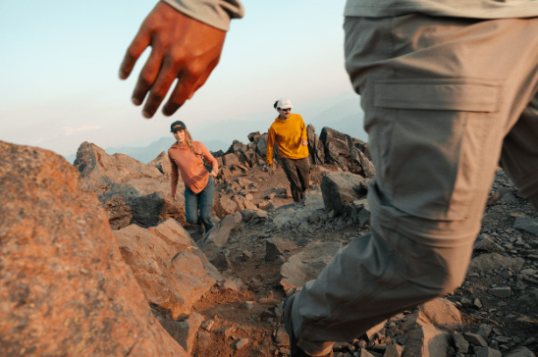

Embarking on an outdoor adventure, whether it’s a serene hike through a forest, a challenging lead climb up a rock face, or a peaceful night under the stars, requires more than just a spirit of exploration—it demands the right gear. The quality and appropriateness of your equipment can be the deciding factor between a memorable experience and a potential emergency. This comprehensive guide serves as your ultimate resource for selecting the essential gear for hiking, rock climbing, and camping. We delve into the specifics of each discipline, from choosing the perfect tent and building a lead climbing rack to understanding the non-negotiable “Ten Essentials” for any trail. Prepare to gear up intelligently for your next escape into the wild.
The Ultimate Hiking & Backpacking Gear Checklist
Hiking is often the gateway to outdoor adventure, but being unprepared can quickly turn a pleasant walk into a serious situation. A well-thought-out hiking kit is centered around safety, comfort, and efficiency on the trail. The foundation of any good kit is the legendary “Ten Essentials,” a list of systems designed to help you prevent and respond to emergencies.
The Ten Essentials: Your Non-Negotiable Safety Net
Every hiker, regardless of the trail’s length or difficulty, should carry these items. They are categorized by system rather than individual items to allow for flexibility and personal preference.
- Navigation: A physical map and a compass are crucial. While a GPS device or smartphone app is a great supplement, they can fail. Know how to use your analog tools.
- Headlamp: A reliable light source with extra batteries is essential if you are unexpectedly caught out after dark.
- Sun Protection: This includes sunglasses, a broad-brimmed hat, and broad-spectrum sunscreen to protect against UV radiation, even on cloudy days.
- First Aid: A pre-packaged first-aid kit is a good start, but you should customize it with personal medications, blister treatment, and any other items you might need.
- Knife: A multi-tool or a simple knife is invaluable for gear repair, food preparation, and first aid.
- Fire: Carry waterproof matches, a lighter, or a fire starter. This is critical for generating warmth and signaling for help in an emergency.
- Emergency Shelter: An emergency blanket or bivy sack can save your life if you are stranded or injured overnight.
- Extra Food: Pack more food than you expect to need. High-energy bars, nuts, and dried fruit are excellent choices.
- Extra Water: Carry more water than you estimate you’ll drink and have a method for treating more, such as a filter or purification tablets.
- Extra Clothes: A warm, insulating layer beyond what you start the hike in is crucial, as weather can change rapidly.
Core Hiking Gear: Backpacks and Footwear
Beyond the essentials, your two most important gear choices are your backpack and your footwear. A daypack (15-30 liters) is sufficient for shorter trips, while a multi-day backpack (40-70+ liters) is needed for overnight adventures. Ensure your pack fits your torso length and is comfortable when loaded. For footwear, choose between lightweight trail runners for speed and flexibility or sturdier hiking boots that offer more ankle support and durability for rugged terrain. Always break in your shoes before a long hike to prevent blisters.

Gearing Up for Vertical Adventures: A Rock Climbing Guide
Rock climbing demands a specialized set of equipment where every piece is a critical component of your safety system. For those transitioning from top-roping in a gym to lead climbing outdoors, the amount of gear can seem daunting. Here, we break down the essential equipment required to build a safe and effective lead climbing rack.
The Lifeline: Your Climbing Rope
The dynamic climbing rope is the single most important piece of gear. Unlike static ropes, it is designed to stretch and absorb the impact of a fall. Key factors to consider when choosing a rope include:
- Length: A 60-meter rope is the standard for most climbing areas, but a 70-meter rope provides more versatility for longer pitches. Always check local route information.
- Diameter: Ropes typically range from 9.0mm to 10.5mm. Thinner ropes are lighter but less durable, while thicker ropes are workhorses ideal for frequent use and projecting routes. A 9.5mm to 9.8mm rope offers a good balance for most climbers.
- Dry Treatment: If you plan to climb in wet or icy conditions, a dry-treated rope will prevent it from absorbing water, which would make it heavy and difficult to handle.
Personal Protective Equipment (PPE)
This category includes the gear that is worn on your body. A proper fit is paramount for both safety and comfort.
- Harness: A modern climbing harness should have a comfortable waist belt, adjustable leg loops for a dialed-in fit over different layers of clothing, and at least four gear loops to carry your equipment.
- Helmet: A climbing-specific helmet is non-negotiable for outdoor climbing to protect against falling rock and impact during a fall. Hardshell helmets are durable, while foam helmets are lighter.
- Climbing Shoes: The right shoe depends on the type of climbing. Softer, more aggressive shoes are great for steep sport climbing, while flatter, more comfortable shoes are better for long, multi-pitch routes.
Essential Climbing Hardware
This is the metal equipment that connects you to the rope and the wall.
- Belay Device: This device is used to control the rope for belaying a climber and rappelling. An assisted braking device, like a Petzl GriGri, is highly recommended for its added safety margin, especially for sport climbing. Traditional tube-style devices (ATCs) are lighter and more versatile for multi-pitch climbing.
- Quickdraws: These consist of two carabiners connected by a sewn sling (dogbone). They are used to clip the rope to bolts on the wall. A standard sport climbing rack consists of 12 to 18 quickdraws. It’s wise to have a mix of lengths to help reduce rope drag on wandering routes.
- Personal Anchor System (PAS): A dedicated PAS or a daisy chain is used to securely attach yourself to the anchors at the top of a pitch while you clean the route or set up a rappel.

Creating Your Home in the Wild: Selecting the Perfect Tent
A tent is your sanctuary in the wilderness, protecting you from rain, wind, and bugs. Choosing the right one is crucial for a comfortable and safe camping experience. The ideal tent depends heavily on where you’re going, when you’re going, and how many people you’re with.
Understanding Tent Capacity and Seasonality
The first two decisions in selecting a tent are its size and its seasonal rating. Manufacturers often label tent capacity optimistically. A 2-person tent, for example, will fit two standard sleeping pads snugly with little room for gear. If you prefer more space or have a lot of equipment, it’s often wise to size up. For seasonality, tents are generally categorized as follows:
- 3-Season Tents: These are the most popular choice, designed for the relatively temperate conditions of spring, summer, and fall. They are built to handle rain and moderate wind but not heavy snow. They prioritize ventilation with large mesh panels.
- 4-Season Tents: These are engineered for severe winter conditions. They feature stronger poles, more durable fabrics, and less mesh to withstand heavy snow loads and high winds. They are essential for winter mountaineering but can be stuffy in warm weather.
Weight vs. Durability: The Backpacker’s Dilemma
The intended use of your tent will dictate the balance between its weight and its durability. For car camping, weight is not a major concern, so you can opt for larger, more comfortable, and often more affordable tents. For backpacking, every ounce matters. Backpacking tents use advanced, lightweight materials and pole structures to minimize packed weight and size. Ultralight tents push this to the extreme but often sacrifice some durability and interior space to do so.
Key Features to Look For in a Tent
Beyond the basics, several design features can significantly enhance your camping experience.
- Vestibules: A vestibule is a covered area outside the main tent door, created by the rainfly. It’s an invaluable space for storing muddy boots, backpacks, and other gear you don’t want inside the tent.
- Doors: Having two doors is a significant convenience for two or more people, allowing you to enter and exit without climbing over your tentmate.
- Ventilation: Good ventilation is key to minimizing condensation inside the tent. Look for tents with mesh panels and adjustable rainfly vents that promote airflow.
- Setup Ease: A freestanding tent with a simple, color-coded pole system is much easier to pitch, especially in the dark or in bad weather, than a non-freestanding tent that requires staking out to stand up.

Essential Camping Comforts and Kitchen Gear
Once your shelter is sorted, the rest of your camping kit focuses on a good night’s sleep and enjoyable meals. These elements transform a simple overnight stay into a restorative experience. A well-equipped camp kitchen and a comfortable sleep system are just as important as the tent itself.
The Camp Sleep System
A good night’s sleep is vital for recovery and energy. Your sleep system consists of three main components.
- Sleeping Bag: Choose a sleeping bag with a temperature rating appropriate for the coldest conditions you expect to encounter. Down insulation is lighter and more compressible, while synthetic insulation performs better when damp and is typically more affordable.
- Sleeping Pad: A sleeping pad provides both cushioning and, more importantly, insulation from the cold ground. Pads are rated by their “R-value,” with higher values indicating better insulation. Options range from simple closed-cell foam pads to more comfortable and packable self-inflating or air pads.
- Pillow: While you can use a stuff sack filled with clothes, a dedicated, inflatable camping pillow is a small luxury that can make a huge difference in sleep quality.
The Camp Kitchen
Whether you’re boiling water for a dehydrated meal or cooking a gourmet feast, a functional camp kitchen is essential.
- Stove and Fuel: For backpacking, small canister stoves are lightweight, compact, and easy to use. For car camping, larger two-burner propane stoves offer more cooking power and stability. Always bring enough fuel for your trip, plus a little extra.
- Cookware and Utensils: A simple pot, a spoon or spork, and a mug may be all you need for backpacking. Car camping allows for more elaborate setups with pans, plates, and a full set of utensils.
- Water Storage and Treatment: Carry water in bottles or a hydration reservoir. For multi-day trips, a reliable water filter or purification system is necessary to safely replenish your supply from natural sources.
- Cooler: For car camping, a high-quality cooler is essential for keeping perishable food fresh and drinks cold.
Frequently Asked Questions (FAQ)
- Q1: What is the single most important piece of gear for a beginner hiker?
- For a beginner hiker, the most important piece of gear is a pair of well-fitting, comfortable hiking shoes or boots. Your feet are your primary mode of transportation on the trail, and issues like blisters, hot spots, or lack of support can ruin a hike and even lead to injury. It’s crucial to try on different styles with the type of socks you’ll be wearing and to break them in before embarking on a long trail.
- Q2: How do I choose between a 3-season and a 4-season tent?
- The choice depends entirely on the conditions you plan to camp in. A 3-season tent is the right choice for the vast majority of campers, as it’s designed for spring, summer, and fall. It prioritizes ventilation and protection from rain. You should only choose a 4-season tent if you plan to do serious winter camping or mountaineering where you will face heavy snow loads and high winds. They are heavier and have less ventilation, making them less comfortable in warm weather.
- Q3: How often should I replace my climbing rope?
- Rope replacement depends on usage, not just age. A rope that has taken a significant fall, especially one with high impact force or over a sharp edge, should be retired immediately. For general use, manufacturers provide guidelines: with weekend use, a rope might last 2-3 years; with frequent, daily use, it may only last a few months. Even with no use, a rope should be retired after 10 years due to the degradation of nylon fibers over time. Always inspect your rope for damage, core shots, or flat spots before each use.
- Q4: What are the “Ten Essentials” for hiking again?
- The Ten Essentials are ten systems to ensure you’re prepared for emergencies in the outdoors. They are: 1. Navigation (map, compass, GPS), 2. Headlamp (with extra batteries), 3. Sun Protection (sunglasses, sunscreen, hat), 4. First Aid (a comprehensive kit), 5. Knife (or multi-tool), 6. Fire (lighter, matches, fire starter), 7. Emergency Shelter (like a space blanket), 8. Extra Food (beyond minimum expectation), 9. Extra Water (beyond minimum expectation), and 10. Extra Clothes (an insulating layer).
Safety note: This article is for general information only. It is not medical, training, emergency, survival, or professional safety advice. Conditions, equipment needs, and personal health factors vary, so check current local guidance and consult qualified professionals before acting.


