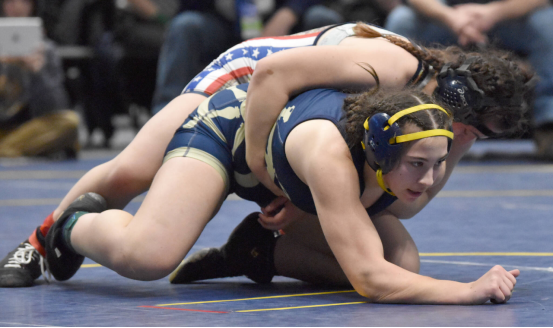

Wrestling is more than just a sport; it’s a crucible for developing discipline, mental toughness, and unparalleled physical conditioning. For a teen athlete stepping onto the mat, success isn’t just about raw strength—it’s about mastering a core set of fundamental skills. While the original concept focuses on four key areas, this ultimate guide will expand upon them, providing the “why” behind the “what.” We’ll delve into the biomechanics, strategic thinking, and drills necessary to transform these skills from mere movements into a dominant wrestling style.
Mastering the Foundation: The Wrestling Stance and Motion
Every action in wrestling begins from your stance. It is your home base, your power center, and your first line of both defense and attack. An improper stance leaves you vulnerable and drains your energy, while a solid stance conserves power and prepares you for explosive movement.
The “Why” Behind a Perfect Stance
A proper wrestling stance is a study in physics. By lowering your center of gravity, you become more stable and harder to move. Keeping your head up allows you to see your opponent’s every move, while having your hands in front creates a barrier and prepares you to hand-fight. Constant motion, or “stalking,” prevents you from becoming a static target and allows you to create angles for your attacks.
Breaking Down Stance Types
- Square Stance: Feet are parallel, offering a solid defensive base. It’s excellent for beginners to learn balance but can be less dynamic for attacks.
- Staggered Stance: One foot is forward (the lead leg), creating a more offensive posture. This is the most common stance in wrestling as it primes you for shooting takedowns.
- Low Stance: Used primarily for defense against leg attacks, dropping your level significantly to block your opponent’s shots.

Dominating the Neutral Position: Takedown Techniques
The neutral position is where both wrestlers are on their feet, and the goal is simple: take your opponent down to the mat to score points. Takedowns are the most decisive actions in wrestling, setting the tone for the entire match. A wrestler with dominant takedowns controls the fight.
The Anatomy of a Perfect Takedown
A successful takedown is a chain of three distinct actions performed as one fluid motion:
- The Setup: You must create an opening. This is done through hand-fighting, fakes, and creating angles. Never shoot a takedown “cold.”
- The Shot (Penetration): This is the explosive act of lowering your level and driving through your opponent’s defense to get to their legs or body.
- The Finish: Once you have control of the legs or body, you must secure the takedown by bringing your opponent to the mat and establishing control.
Common Takedowns and Common Pitfalls
The Double Leg and Single Leg are the bread and butter of wrestling. The Double Leg is a powerful, direct attack, while the Single Leg is more technical and relies on angles. The most common pitfall for young wrestlers is shooting from too far away or failing to set up the shot, making them easy to counter.

Winning From the Bottom: Escapes and Reversals
Even the best wrestlers get taken down. The bottom position (or referee’s position) is a test of will and technique. The goal is not just to survive, but to escape for one point or, even better, execute a reversal for two points, putting you in the top position of control.
The Psychology of the Bottom Position
Being on the bottom can feel claustrophobic and discouraging. The key is to have a plan and to move with explosive, purposeful energy the moment the whistle blows. A passive bottom wrestler is an easy wrestler to ride and control. You must create action and force your opponent to react to you.
Key Escape Techniques: The Stand-Up
The stand-up is the most fundamental escape. It involves an explosive push off the mat to your feet, while simultaneously peeling your opponent’s hands off your body. The crucial details are driving up with your head, keeping your elbows in tight, and turning to face your opponent immediately upon breaking free.
Securing the Victory: Pinning Combinations
The ultimate goal in wrestling is the pin (or fall), which ends the match instantly. This requires more than just strength; it demands an understanding of leverage, weight distribution, and chain wrestling—linking one move to the next.
The Principles of Pinning
To secure a pin, you must expose your opponent’s shoulder blades to the mat for a set duration. This is achieved by taking away their “posts” (hands, feet, head) so they cannot build a base to fight back. Effective pinning involves using your chest to apply pressure, keeping your hips low, and controlling your opponent’s head and hips.
Classic Pinning Combination: The Half Nelson
The Half Nelson is often the first pin taught to new wrestlers. From the top position, you use one arm to go under your opponent’s arm and place your hand on their head or neck. By driving forward and lifting their arm, you can turn them onto their back. A common mistake is reaching too deep or placing it too high on the head, which reduces your leverage.
Teen Wrestler Skills Development Checklist
Use this table to self-assess your progress in these fundamental areas. Focus on the areas where you feel less confident during practice.
| Skill Area | Beginner Focus (What to Do) | Intermediate Focus (How to Do It) | Advanced Focus (Why/When to Do It) |
|---|---|---|---|
| Stance & Motion | Maintain a low stance without bending at the waist. | Circle left and right without crossing feet. | Change levels and direction to set up attacks. |
| Takedowns | Practice shooting a double leg on a stationary partner. | Use a tie-up (e.g., collar tie) to set up your shot. | Chain a single leg attempt into a double leg finish. |
| Escapes | Execute a basic stand-up. | Clear your opponent’s hands while standing up. | Transition from a failed stand-up into a reversal (e.g., a switch). |
| Pinning | Hold an opponent in a half nelson. | Run the half nelson to turn your opponent. | Use a cross-face to break down your opponent before applying the pin. |
Frequently Asked Questions (FAQ)
- How often should a teen wrestler practice these skills?
- Consistency is key. These fundamental skills should be part of every single practice, even for elite wrestlers. Dedicate at least 15-20 minutes of each session to drilling stance, motion, and basic takedowns before moving on to more complex techniques.
- What’s more important: strength or technique?
- Technique will always beat strength when the skill gap is wide enough. For a teen athlete, focusing on perfect technique is paramount. Strength will develop naturally with age and through wrestling-specific conditioning, but bad technical habits are hard to break. Good technique also prevents injury and conserves energy.
- How can I overcome the fear of getting pinned?
- This is a common mental hurdle. The best way to overcome it is through controlled exposure in practice. Work on “bridge and roll” drills to build confidence in your defensive capabilities. Remember that getting pinned in practice is a learning opportunity, not a failure. It teaches you what positions to avoid and how to fight when you get there.
- What gear is essential for a beginner wrestler?
- The essentials are wrestling shoes, headgear, and a singlet for competitions. Wrestling shoes provide superior grip and ankle support. Headgear is crucial for protecting your ears from “cauliflower ear.” For practice, comfortable athletic shorts and a t-shirt are perfectly fine.
Safety note: This article is for general information only. It is not medical, training, emergency, survival, or professional safety advice. Conditions, equipment needs, and personal health factors vary, so check current local guidance and consult qualified professionals before acting.


