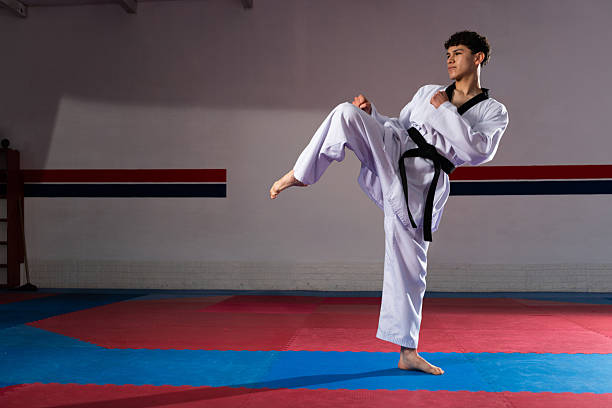

The Science of Martial Arts Warm-Ups
Effective martial arts preparation is not merely about breaking a sweat; it is a systematic process of neuromuscular priming. A scientifically designed warm-up elevates core body temperature, increases blood flow to working muscles, and optimizes joint lubrication. This preparation is critical for preventing common combat sports injuries, such as ligament sprains and muscle tears, while simultaneously enhancing explosive power output.
Phases of an Effective Warm-Up
- General Mobility: Focusing on dynamic movements to increase the range of motion in the hips, shoulders, and spine.
- Specific Activation: Engaging the core and stabilizers required for specific techniques like kicks, strikes, or grappling maneuvers.
- Neurological Priming: Short bursts of speed or agility drills to improve reaction time and motor unit recruitment.

Integrating Swimming for Martial Arts Conditioning
Swimming serves as an unparalleled cross-training modality for fighters. Unlike high-impact land training, the pool offers buoyancy and resistance, allowing for intense cardiovascular conditioning with minimal joint stress. For martial artists, this means building a massive aerobic base without the risk of overtraining or chronic wear and tear on the knees and ankles.
Physiological Advantages of Aquatic Training
The unique environment of the water forces the body to stabilize against fluid resistance, which engages the core stabilizers in a way that mimics the rotational power required for striking. Furthermore, the hydrostatic pressure aids in lymphatic drainage and recovery, making it an ideal “active recovery” session for fighters dealing with heavy training loads.

Optimizing Your Training Pipeline
To maximize results, practitioners must balance technical drills with physical conditioning. A balanced training pipeline ensures that the body is ready for the rigors of sparring while maintaining the flexibility and endurance necessary for long-term progression. The integration of aquatic intervals alongside traditional warm-ups creates a robust foundation for any combat athlete.
| Training Type | Focus Area | Primary Benefit |
|---|---|---|
| Dynamic Warm-Up | Joint Mobilization | Injury Prevention |
| Swimming | Aerobic Capacity | Cardiovascular Endurance |
| Technique Drills | Motor Skills | Combat Efficiency |

Advanced Recovery and Sustainability
Sustainability in martial arts is defined by how well an athlete manages their recovery. By incorporating low-impact swimming sessions, fighters can maintain training volume while allowing the musculoskeletal system to heal. This approach prevents the ‘burnout’ phase often associated with purely land-based, high-impact routines.
Frequently Asked Questions (FAQ)
- Q1: Why is a dynamic warm-up superior to static stretching before training?
- Dynamic movements increase core temperature and prepare the nervous system for explosive action, whereas static stretching can temporarily decrease muscle power output and stability if performed before a high-intensity session.
- Q2: How often should a martial artist swim to see improvements?
- Integrating 1-2 sessions per week is sufficient for most athletes to see significant improvements in cardiovascular endurance and recovery without compromising their specific martial arts training time.
- Q3: Does swimming negatively affect striking power?
- No, when programmed correctly, swimming improves the shoulder mobility and core stability necessary for powerful, fluid striking motions.
- Q4: Can swimming replace strength training?
- Swimming is excellent for endurance and mobility, but it should complement, not replace, resistance training, which is essential for bone density and maximal force production.
Safety note: This article is for general information only. It is not medical, training, emergency, survival, or professional safety advice. Conditions, equipment needs, and personal health factors vary, so check current local guidance and consult qualified professionals before acting.


