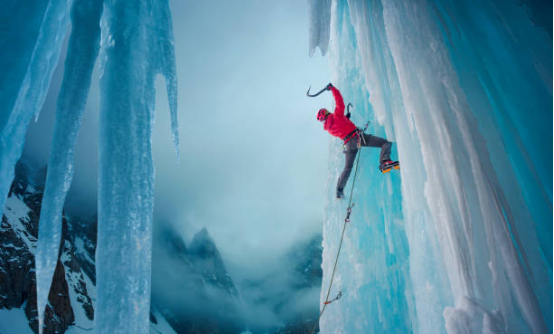

If you don’t have any special preference for winter, you may never understand the feeling of being ignited in your heart when you stand under an icefall and look up at the cold cliffs. But if you just like the thrill of danger and have an inexplicable obsession with polar scenery, then ice climbing may be the dream lover you have missed for too long.
It is not only a sport, but also a spiritual dialogue. You have to move forward carefully between ice and snow, and at the same time, climb up without hesitation. Many people say that this is an extreme experience of “fighting with nature”, but I think it is more like shaking hands with nature, or even dancing a cautious tango.
What is Ice Climbing?
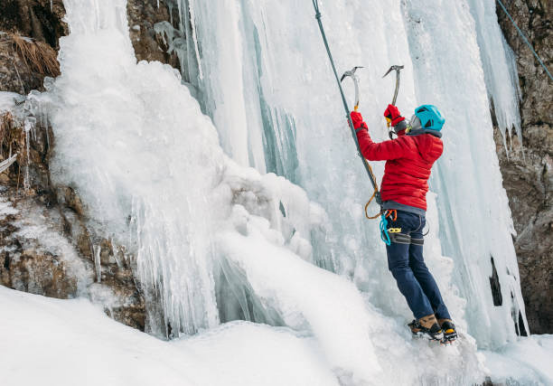
Ice Climbing, in simple terms, is to use ice axes, crampons, ice screws and other things that sound cold to climb frozen waterfalls, cliffs or some ice thick enough to support human weight. Sounds a bit crazy? Well, it is, but there is a sense of order in that madness that makes people unable to extricate themselves.
Ice climbing is usually graded by “WI” level – WI1 is relatively mild, like ice stairs; WI6 is a straight up and down test of hell. It’s no exaggeration. If you are just getting started, WI2 is enough to make you doubt your life several times. The good news is that as long as you proceed step by step, there is nothing you can’t climb.
Want to try it? Then don’t do it yourself
If you are new to this world, please do not rush onto the ice with the idea that “I am physically fit and courageous”. The recommended approach is to sign up for a course first. Especially in places like Norway, which is a paradise for ice climbing, the training system is perfect, and the coaches are strict (but gentle), and they can teach you from scratch how to avoid falling into the cracks of the ice.
Of course, if you have experience in rock climbing or mountaineering, it will be easier to learn. Otherwise, don’t be nervous. Even if you are just a hiking enthusiast, if you can get used to the white breath and the crunching sound of ice on the soles of your feet in winter, you have already won half the battle.
Ice climbing equipment
Don’t imagine that you can walk onto the ice wall and become the protagonist with nothing. This is a sport that relies on equipment to survive. The following are the basic bags you should at least prepare:
Ice axe and crampons : Without them, you can’t even stand steadily.
Ice screws and protectors : used for anchoring. They look very technical at first glance, but they are actually life-saving.
Helmets and seat belts : It is really painful when ice chips hit your head, and not wearing them is just asking for trouble.
Waterproof gloves and professional boots : Don’t underestimate the dullness caused by the cold, it can really make you feel weak in the hands and feet.
Dress in layers and don’t forget your snow gaiters : you need warmth and flexibility, both.
Avalanche equipment & first aid supplies : You never know what will happen next.
Good equipment is expensive, but you are worth it. Your life is worth it too.
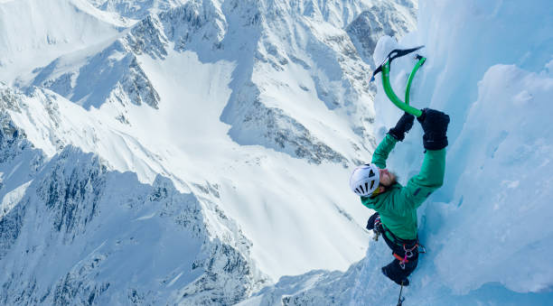
Three-step walk for beginners : squat, stand up, and swing
The first time you face an ice wall, your mind may go blank. Don’t panic, remember these three steps, at least you won’t look like a joke stuck on the ice:
Squat : Tie up the double picks firmly and hold the crampons steady. This step is like a cat preparing to jump. It is important to crouch low.
Stand up : pull your body closer and lift your center of gravity up, don’t move too far away from the ice, feel that it is your friend.
Swinging : It doesn’t mean swinging the ice axe randomly, but finding the right spot and hitting it decisively without hesitation.
If you can’t walk the whole way in one breath, just climb up one hammer at a time.
Back to reality: Ice climbing is not about romance, it is about risk management
It sounds exciting, but ice climbing is just as dangerous as skydiving. Ice cracking, sudden weather changes, avalanches, equipment failure… it’s enough to make a thriller movie. A few suggestions:
Don’t go it alone , find a reliable teammate. It’s best if he has experience.
Not sure? Don’t climb. Don’t climb today, but you’ll be alive tomorrow to continue.
Don’t skip levels . Learn to walk first, then run.
Keep learning , attend more lectures and classes, your skills are always being upgraded.
Don’t be afraid of slowness, be afraid of pretending to be brave.
Joining a community is not just about finding people to chat with.
No matter how many instructional videos you watch online, they are no better than an experienced ice climber telling you, “This ice is too brittle today, don’t climb it.” Joining some local mountaineering associations, online forums, and social platform groups will not only increase your knowledge, but someone may be able to save your life at a critical moment.
Last question: Are you ready?
Ice climbing is a passion with a bit of obsession. You have to get used to the biting wind, accept failed climbs, and endure the embarrassment of the mixture of sweat and snow. But none of these prevent it from becoming one of the most memorable journeys in your life.
So – ice axe in hand, let’s go. Maybe the next time your heart beats faster, it won’t be from shock, but from the smile you can’t help but smile when you stand on the ice wall and look back at the whole winter.
Safety note: This article is for general information only. It is not medical, training, emergency, survival, or professional safety advice. Conditions, equipment needs, and personal health factors vary, so check current local guidance and consult qualified professionals before acting.