
Don’t be dazzled by the dazzling array of ski equipment stores. The real choice starts with yourself. It’s not about seeing which brand is popular, or blindly listening to someone’s recommendation, but asking yourself a few seemingly simple but unavoidable questions:
1. Three questions to help you start from “Who am I”
Let’s talk about the most important thing first:
what is your current level of skiing?
If you are still practicing your footing and braking, don’t hesitate – pick a beginner snowboard with high tolerance and easy control to practice first. The board doesn’t need to be too strong, after all, you don’t need it to fly with you. But if you can already shuttle smoothly on the snowy slopes and dare to try a little jump, you can move forward and consider those “growth-oriented” models.
Here comes another controversial topic: Do boys and girls think the same way when choosing a snowboard ?
To be honest, yes. But don’t be too rigid. Women’s snowboards are designed to be softer and more flexible, suitable for less powerful body structures, but boys can still handle it as long as they are lighter. Girls with tall stature can of course choose men’s snowboards. There is no “gender correctness” here, only whether it fits you.
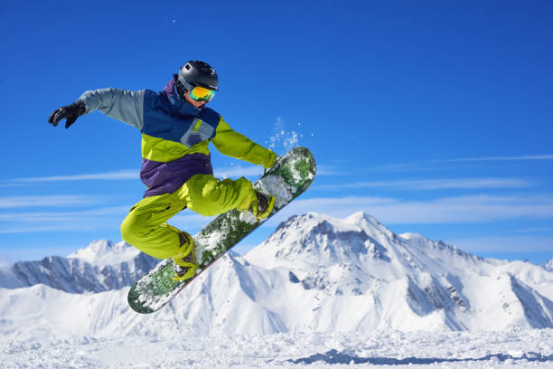
Finally, you have to figure out what kind of trails you want to ski. Are you a terrain park lover, a groomed snow patroller, or a wild snow fanatic? Once the goal is clear, the direction will naturally become clear. Otherwise, choosing and choosing will only make the fun disappear.
2. Don’t rely on metaphysics when choosing a stock, avoid stepping on three bottom lines
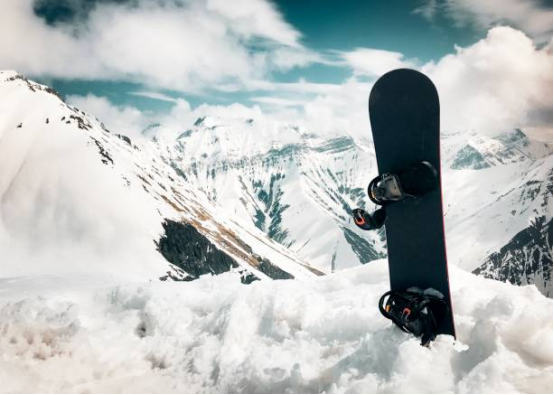
There is no ultimate secret to choosing a snowboard, but there are three bottom lines. If you understand them, you will be less likely to make mistakes:
1. The size should fit you well, not the longer the better.
Based on height and weight. Beginners usually choose a slightly shorter snowboard because it is easier to control; while experienced players prefer longer styles for stability and speed. Don’t forget that if you are thin but tall, you should weigh your weight when choosing a board.
2. Choose the right width for your feet, don’t let your toes act as brake pads
If your shoes are too big, don’t choose a board that is too narrow. Ideally, your boots should extend about 1 cm beyond the edge of the board. Otherwise, your feet will get stuck on the edge of the snow, or you will trip over your own shoes when turning on edge.
3. Don’t get the style wrong: Think twice about using your terrain park board to ski powder snow
Each snowboard has its own terrain. If you really like to jump and do tricks, then don’t choose a heavy and long powder snowboard that makes it difficult to turn; on the contrary, if you want to go to wild snow, a thin park board can’t support your dream of crossing mountains and ridges.
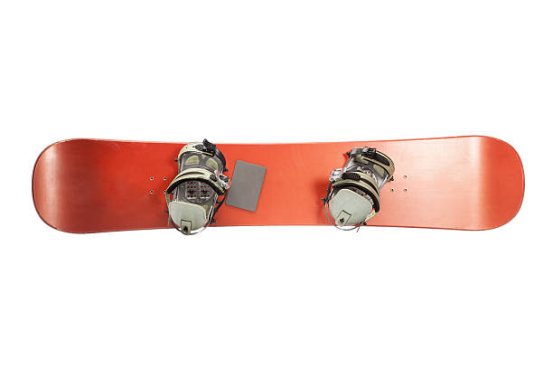
3. The board you choose will determine how you will look like in the coming winter
Sometimes there is a tacit understanding between a person and the snowboard he or she chooses.
Don’t think this is poetic nonsense – in fact, your snowboard determines whether you can enjoy the slope, whether you dare to challenge the next jump, and whether you can keep yourself stable in an emergency stop without falling flat on your face.
4. A family portrait of snowboard types: there is always one made for you
There are thousands of snowboards, let’s first distinguish the types:
All-Mountain flooring
is a jack of all trades, suitable for most terrains. It is a good choice for beginners, but may be a jack of all trades in some projects.
Freestyle
is agile, light, and made for jumping. It is suitable for skaters who do fancy tricks. But if you want to go high speed, you may find it “too shaky”.
Freeride
is long, stable and relatively hard, designed for wild snow and rough terrain. If you like “go where no one goes”, this is your dish.
The Powder board
has a wide head and rear bindings, which allows it to “float” in deep snow. But using it on a normal snow trail? It might be a little awkward.
5. Don’t be discouraged by terminology: Understand these parameters and you won’t be confused
Length?
The classic reference range is from chin to nose tip, but it really depends on weight. If you are heavier, the board should be slightly longer.
Width?
Don’t just measure the width of the sole, look at how the boot sits on the binding. If your feet are too wide, you’ll have trouble turning; if your feet are too narrow, you’ll easily bump into the snow.
Curved shape?
Camber : Good grip, suitable for speed.
Rocker : The middle part is close to the ground, suitable for beginners and soft snow.
Hybrid : Have the best of both worlds, with both flexibility and stability.

6. Explain the structure clearly. If you don’t understand it, you will suffer.
Board shape:
Directional board : It only moves forward and is suitable for fast skating.
True Twin : Symmetrical front and back, you can turn it any way you want.
Directional skiing : The main sliding direction is obvious, but you can also slide in the opposite direction, which is both stable and fun.
Sidecut & Effective Edge:
Deep side cuts mean more sensitivity;
The longer the effective edge, the more stable it is – but it also requires more technique.
elasticity:
The soft board is forgiving and suitable for beginners;
The hard board is powerful and suitable for “aggressive skaters”.
In conclusion: Choosing the right snowboard is like choosing the right friend
It doesn’t have to be the most expensive, but it must understand you. It must understand when you are timid, when you want to fly, and when you have to stand up after falling down. I hope this is not a rigid product description, but a companionship that allows you to truly understand your own skiing style.
Not every board is right for you. But when you find the one that is, it will take you further than you ever thought possible.
Safety note: This article is for general information only. It is not medical, training, emergency, survival, or professional safety advice. Conditions, equipment needs, and personal health factors vary, so check current local guidance and consult qualified professionals before acting.